
Food production feeds communities, yet it also creates large volumes of waste every single day. Waste touches every stage of food processing whether it is from raw material losses or leftover byproducts. Poor handling leads to environmental damage, financial loss, and regulatory risk.
Food manufacturing waste management helps control these outcomes while supporting safer operations. Effective systems keep facilities clean, compliant, and efficient. As awareness grows, businesses face stronger pressure to manage waste responsibly. Treating food waste properly protects natural resources and strengthens long-term business stability across the entire food supply chain.
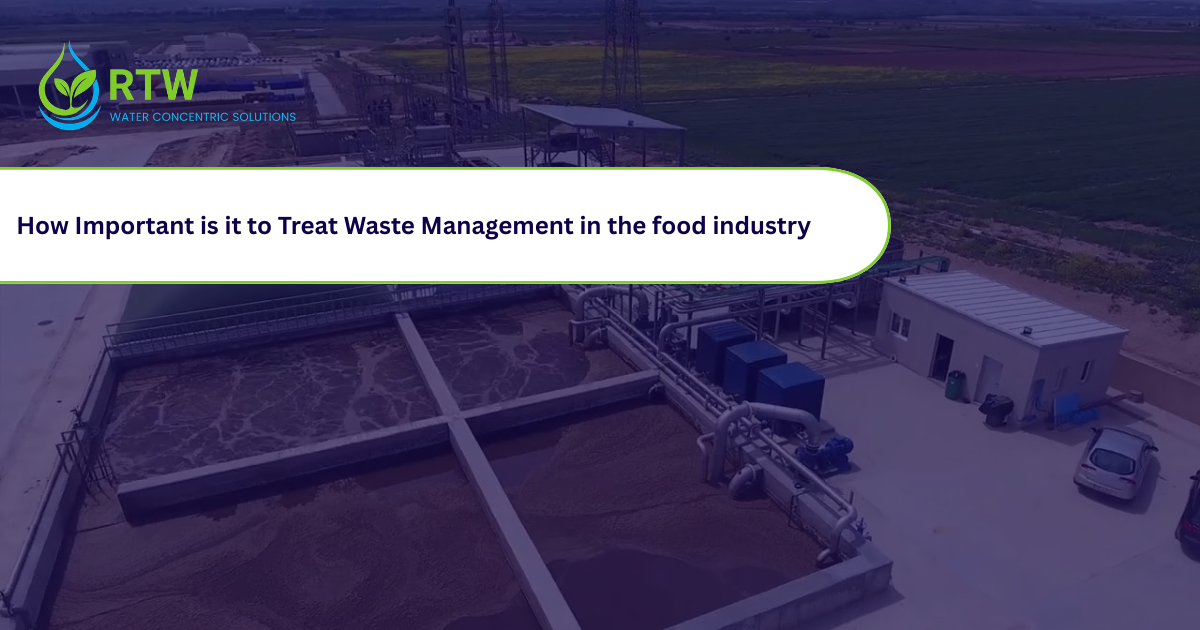
How Important is it to Treat Waste Management in the Food Industry
Waste treatment influences far more than disposal routines. It affects the environment, finances, operations, and public trust. Food businesses generate organic waste, wastewater, and byproducts that demand responsible handling. Let’s explain why treating food waste remains essential for every food-related operation, regardless of size or location.
Environmental Impact & Climate Change
Food waste releases greenhouse gases during decomposition. Poor handling pollutes soil and water sources. Food industry waste contributes heavily to landfill emissions. Treating waste reduces environmental stress. Cleaner processes protect ecosystems and help slow climate damage.
Economic Benefits & Profitability
Waste handling costs money when poorly managed. Efficient systems reduce disposal fees and resource loss. Production waste management improves material use and lowers operating expenses. Over time, savings support stronger financial performance.
Legal and Regulatory Compliance
Food producers face strict waste regulations. Improper disposal risks penalties and shutdowns. Structured food and waste management ensures compliance with environmental and safety laws. Compliance also reduces inspection risks and operational disruptions.
Brand Reputation & Corporate Social Responsibility (CSR)
Consumers value responsible food brands. Waste mismanagement damages trust. Ethical practices support a positive brand image. Sustainable food waste management shows commitment to social responsibility and environmental care.
Operational Efficiency
Waste clutters production spaces and disrupts workflows. Organized systems improve hygiene and productivity. Clear waste streams reduce downtime. Better handling supports smoother daily operations and safer working environments.
Key Treatment Methods that Are Involved in the Process
Food waste treatment involves several proven methods. Each method suits different waste types and volumes. Combining approaches often delivers better outcomes. The following methods highlight how food businesses can manage waste effectively while supporting sustainability and operational goals.
Anaerobic Digestion (AD)
Anaerobic digestion breaks down organic waste without oxygen. This process reduces waste volume and produces usable energy. Food processors manage beverage waste and organic residues efficiently through digestion systems.
Composting
Composting converts organic waste into nutrient-rich material. Food scraps and biodegradable byproducts break down naturally. This method supports soil health and reduces landfill reliance. Composting fits well with local waste programs.
Donation
Edible surplus food can support communities. Donation reduces disposal volumes and support social programs. Food safety standards guide proper redistribution. This method strengthens community ties and reduces unnecessary waste.
The Benefit of Promoting Effective Food Waste Management
Promoting structured waste programs delivers long-term benefits. Businesses gain control, reduce losses, and improve sustainability performance. Effective waste handling reshapes operations and supports responsible growth. The benefits below show why strong systems matter.
Reduced Waste Disposal Costs
Lower waste volumes reduce hauling and landfill fees. Efficient sorting improves recovery options. Cost control improves long-term budgeting and financial predictability.
Improved Resource Efficiency
Better waste tracking identifies production losses. Food manufacturing waste reduction improves material use and process control. Efficiency supports consistent output and reduced raw material waste.
Enhanced Workplace Hygiene
Clean waste handling reduces pests and odors. Organized systems improve safety. Employees work in cleaner conditions with fewer health risks.
Support for Circular Economy Practices
Recovered materials support reuse and recycling. Food waste management system strategies align with circular economy goals. Resources remain in use longer.
Stronger Community and Market Trust
Responsible waste programs build public confidence. Market waste management practices show accountability. Transparent systems support stronger stakeholder relationships.
Get RTW to Help Treat Waste Management in the Food Industry
Food waste management protects the environment, supports compliance, and strengthens business performance. Treating waste responsibly reduces risk and improves efficiency. Strong systems help food producers operate sustainably while meeting modern expectations.
RT Water delivers engineered waste and wastewater treatment solutions that support efficient food industry operations, regulatory compliance, and long-term environmental responsibility. Our team supports food businesses with integrated waste treatment solutions.
From wastewater systems to organic waste handling, RTW designs practical solutions that align with regulatory requirements. Experience across food processing, bakery waste management, and large-scale production enables reliable outcomes.
RTW focuses on operational stability, compliance assurance, and sustainable performance across the entire waste lifecycle.
FAQs
Why is food waste management important for food manufacturers?
Food waste management reduces environmental harm, improves compliance, lowers costs, and supports safer operations across production facilities.
What types of waste are common in the food industry?
Common waste includes organic scraps, wastewater, packaging residues, and beverage waste generated during processing.
How does waste management support sustainability goals?
Proper systems reduce landfill use, support recycling, and promote sustainable food waste management across operations.
Can food waste be reused safely?
Yes, treated food waste supports composting, energy recovery, and controlled reuse under proper safety standards.
What role does technology play in waste management?
Technology improves monitoring, treatment efficiency, and food waste management innovations in the foodservice industry operations.