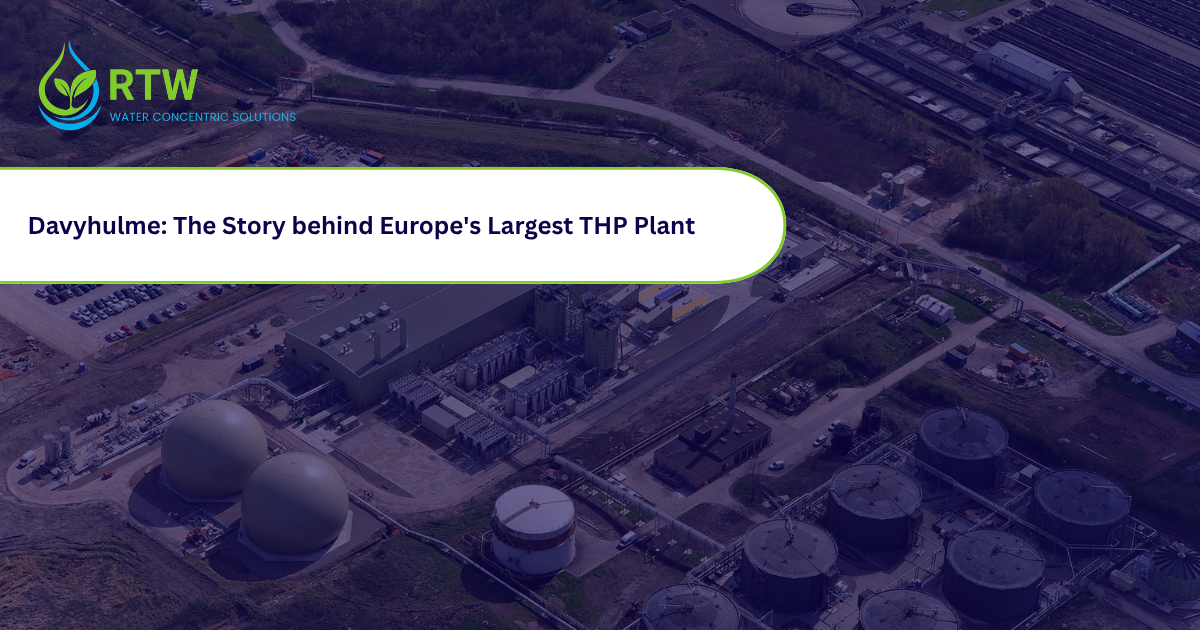
Wastewater treatment has seen major upgrades over the years, especially in large urban systems. One of the most important examples in Europe is the Davyhulme wastewater treatment plant. It is known for its advanced sludge treatment technology and large-scale thermal hydrolysis process.
The facility has played a key role in improving energy recovery and reducing sludge volume for a major population center. Its development reflects how modern engineering can improve wastewater management.
This article explores its history, technology, operations, and why it remains a benchmark for large-scale sludge treatment systems in Europe today.
Introduction to Davyhulme Treatment Works
Davyhulme Treatment Works is one of the largest wastewater treatment facilities in Europe. It serves a large urban population and handles significant volumes of sewage every day. The plant is known for its advanced treatment systems and long history of upgrades.
Over time, it has evolved into a major hub for sludge treatment innovation. Its size and role make it a critical infrastructure asset for regional wastewater management and environmental protection efforts.
History of the Davyhulme Plant
The Davyhulme plant has a long operational history that reflects the evolution of wastewater treatment technology. It has undergone multiple expansions and modernizations to meet growing demand and stricter environmental standards.
Development Timeline
The facility began operations in the early 20th century and has been upgraded several times since. Major investments were made to expand capacity and introduce modern treatment technologies, including advanced sludge processing systems.
Key Upgrades
One of the most significant upgrades was the introduction of thermal hydrolysis technology. This allowed the plant to improve sludge breakdown, increase energy recovery, and reduce the volume of final waste significantly.
Overview of the THP Facility
The thermal hydrolysis plant at Davyhulme is one of the most advanced systems of its kind. It plays a central role in sludge treatment and energy recovery at the site.
Capacity and Scale
The facility processes thousands of tonnes of sludge daily. Its large-scale design allows it to support a major urban population while maintaining high efficiency in sludge reduction and energy recovery operations.
Technology Used
The plant uses thermal hydrolysis combined with anaerobic digestion. This combination improves sludge breakdown and increases biogas production, making the system more efficient and environmentally effective.
Why Davyhulme is Significant
Davyhulme stands out as a leading example of large-scale sludge treatment innovation. It demonstrates how advanced technology can improve both environmental performance and operational efficiency in wastewater systems.
Largest THP Installation in Europe
The plant is recognized as one of the largest thermal hydrolysis installations in Europe. Its scale allows it to process massive sludge volumes while maintaining consistent performance and energy recovery efficiency.
Innovation in Sludge Treatment
Davyhulme introduced advanced sludge treatment methods that set new standards for wastewater facilities. Its integration of thermal hydrolysis improved energy output and reduced environmental impact significantly.
Operational Benefits
The plant delivers strong operational benefits through improved sludge processing and energy recovery. These improvements support both environmental goals and operational efficiency.
Increased Biogas Production
Thermal hydrolysis at Davyhulme enhances sludge breakdown, leading to higher biogas output. This biogas is used for energy generation, reducing dependence on external power sources and improving sustainability.
Improved Sludge Handling
The process reduces sludge volume and improves dewaterability. This makes handling, transport, and disposal more efficient while lowering overall operational costs for the facility.
Challenges Faced During Implementation
The implementation of thermal hydrolysis at Davyhulme required careful planning due to its large scale and technical complexity. Integrating new systems into an existing, long-operating facility was not straightforward.
Engineers had to ensure that older infrastructure could support modern treatment processes without disrupting daily operations. Energy demand during installation and early operation also required adjustments to plant design. Key challenges included:
- Integration of new THP units with existing digestion systems
- Managing downtime during installation phases
- High capital investment and budget planning
- Ensuring consistent performance during system transition
- Training operators for advanced process control
Another important challenge was maintaining a stable sludge flow while upgrading equipment. Any interruption could affect treatment efficiency for a large population. Careful staging and phased implementation were used to reduce operational risks and ensure continuity of service.
Future Plans and Expansion
Future development at Davyhulme is expected to focus on improving efficiency, increasing energy recovery, and reducing operational costs. As wastewater volumes continue to grow, the facility must adapt to higher demand while maintaining performance standards.
Expansion plans are also influenced by environmental targets and stricter sustainability regulations. Key future focus areas include:
- Improving energy efficiency of thermal hydrolysis systems
- Increasing biogas recovery and utilization rates
- Upgrading automation and digital monitoring systems
- Reducing the overall carbon footprint of operations
- Enhancing sludge dewatering and handling efficiency
There is also growing interest in integrating renewable energy systems with existing infrastructure. This includes better use of biogas for electricity generation and potential heat recovery improvements.
Future expansions will aim to make the facility more self-sufficient, efficient, and aligned with long-term environmental goals for wastewater treatment in Europe.
Wrapping Up
Davyhulme demonstrates how large-scale wastewater treatment can achieve high efficiency through advanced sludge processing technology. It remains a key example of innovation in Europe.
RT Water delivers advanced thermal hydrolysis and sludge treatment solutions that improve energy recovery, enhance operational efficiency, and support sustainable wastewater management for modern treatment facilities.
FAQs
What is the Davyhulme wastewater treatment plant?
It is one of Europe’s largest wastewater treatment facilities, located in Manchester, known for its advanced sludge treatment technology.
Why is Davyhulme important?
It is a leading example of large-scale thermal hydrolysis use, improving sludge processing and energy recovery efficiency.
What technology is used at Davyhulme?
The plant uses thermal hydrolysis combined with anaerobic digestion for efficient sludge treatment and biogas production.
How does Davyhulme produce energy?
It produces biogas from sludge, which is used to generate electricity and reduce external energy dependency.
What makes Davyhulme unique?
Its scale, technology integration, and efficiency in sludge treatment make it one of the most advanced wastewater plants in Europe.