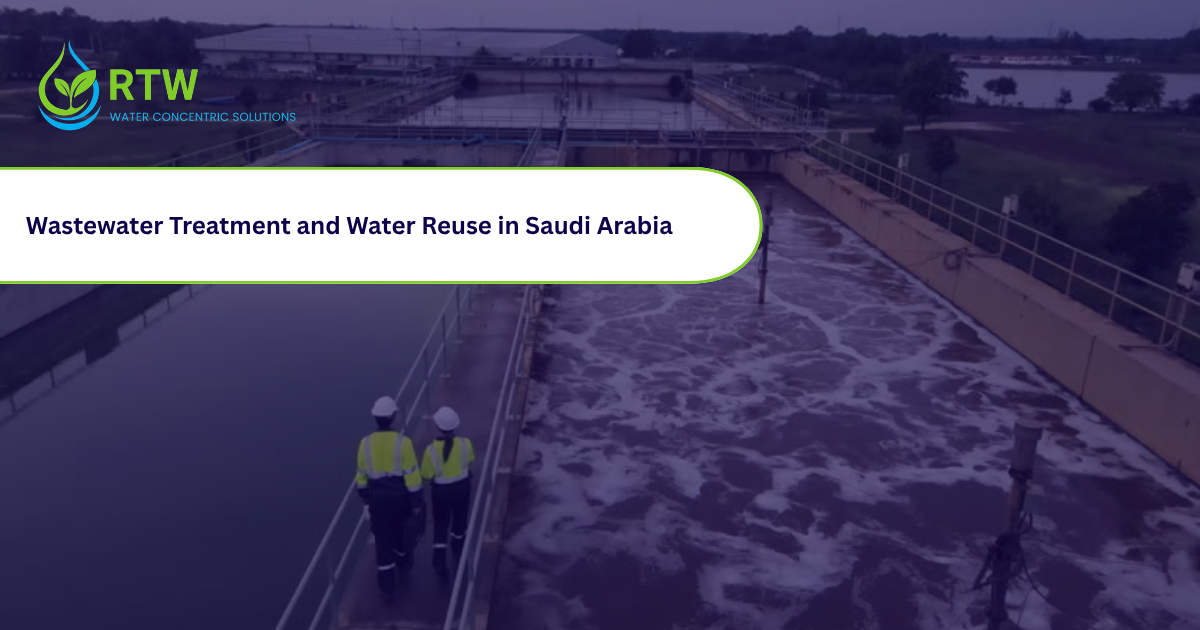
Water has always been one of Saudi Arabia’s most valuable resources. Rapid population growth, expanding industries, and increasing agricultural demand continue to place pressure on available water supplies. For this reason, wastewater has become an important resource instead of something that should simply be discarded.
Modern treatment technologies now make it possible to recover water safely for many practical uses. Across the Kingdom, investment in wastewater treatment and reuse supports sustainable development, strengthens water security, and reduces dependence on limited groundwater resources. This growing shift is helping industries, municipalities, and communities prepare for a more sustainable future.
The Drivers for Wastewater Transformation
Saudi Arabia continues investing in modern water infrastructure to secure future water supplies. National programs encourage higher treatment standards, greater water reuse, and improved environmental protection. Several important factors continue driving this transformation across municipalities, industries, and agricultural sectors throughout the Kingdom.
Saudi Vision 2030 and the National Water Strategy
Saudi Vision 2030 places water sustainability among its major national priorities. Government agencies continue expanding treatment capacity while encouraging the recycle and reuse of wastewater across different sectors.
New investments support efficient infrastructure, advanced treatment technologies, and higher reuse targets. These improvements reduce pressure on freshwater resources while supporting long-term economic growth.
Depletion of Non-Renewable Groundwater Reserves
Saudi Arabia depends heavily on underground aquifers that require thousands of years to recharge naturally. Continuous extraction has reduced groundwater reserves across many regions.
Expanding recycling and reuse of wastewater allows treated water to replace freshwater for irrigation, industrial operations, and municipal applications. This approach protects groundwater for future generations.
Environmental and Economic Sustainability Goals
Every drop of reused water reduces demand for expensive freshwater production. Modern treatment plants lower pollution while supporting cleaner rivers, soil, and groundwater.
Expanding industrial wastewater reuse also reduces operating costs for many industries by creating dependable alternative water supplies that remain available throughout the year.
Current Infrastructure and Technology Framework
Saudi Arabia continues expanding modern wastewater treatment facilities throughout the Kingdom. New treatment plants combine biological treatment, membrane systems, and advanced polishing technologies to produce high-quality reclaimed water. These investments help municipalities and industries meet rising water demands while supporting national sustainability objectives.
The Evolution of Sewage Treatment Plants (STPs)
Older treatment plants focused mainly on safe wastewater disposal. Today’s facilities produce treated water suitable for reuse in several industries and municipal services.
Many plants now use membrane bioreactor technology for wastewater treatment and reuse because it delivers excellent water quality while occupying relatively small installation areas.
The Royal Mandate for Tertiary and Advanced Treatment
Government initiatives encourage higher treatment standards before treated water enters reuse applications. Tertiary treatment removes remaining suspended solids, nutrients, and microorganisms after biological treatment finishes. These improvements strengthen wastewater reuse systems while supporting safer irrigation, industrial processing, and environmental restoration projects.
Leading Corporate Initiatives: The Saudi Aramco Model
Large industrial organizations continue demonstrating how water reuse improves sustainability. Saudi Aramco has invested heavily in wastewater recycling projects that reduce freshwater demand across industrial operations. These initiatives highlight how wastewater reuse in manufacturing supports efficient production while reducing environmental impact.
Major Applications of Treated Wastewater (TWW)
High-quality treated wastewater now supports several important sectors throughout Saudi Arabia. Reclaimed water protects freshwater resources while improving environmental sustainability. Agriculture, industrial facilities, and groundwater restoration projects continue benefiting from reliable supplies of treated water produced by advanced treatment plants.
Transforming the Agricultural Sector and Food Security
Agriculture consumes significant volumes of water every year. Using wastewater reuse for irrigation allows farms to reduce dependence on groundwater while maintaining crop production. Modern treatment also supports wastewater reuse in agriculture by producing water that meets strict quality standards for approved irrigation applications.
Industrial Operations and District Cooling Systems
Manufacturing plants, refineries, and cooling systems require dependable water supplies throughout the year. Recycled wastewater supports industrial cooling, equipment cleaning, and several utility operations. Growing investment in wastewater reuse in manufacturing helps industries reduce operating costs while strengthening environmental performance across the Kingdom.
Managed Aquifer Recharge (MAR) for Groundwater Restoration
Managed Aquifer Recharge allows treated water to replenish underground aquifers under controlled conditions. This practice improves groundwater availability while protecting long-term water supplies. High-quality treated wastewater also creates additional flexibility for future municipal and industrial water planning.
Final Thoughts
Saudi Arabia continues transforming wastewater into a valuable national resource. Modern treatment technologies support water conservation, industrial growth, and environmental protection while strengthening long-term water security. Continued investment in water reuse will remain an essential part of the Kingdom’s sustainable future.
RT Water delivers advanced wastewater treatment and water reuse solutions that help industries and municipalities maximize water recovery, improve compliance, and support Saudi Arabia’s long-term sustainability goals.
FAQs
What is wastewater reuse?
Wastewater reuse involves treating used water until it reaches quality standards suitable for irrigation, industrial operations, groundwater recharge, or other approved applications.
Can treated wastewater be used for drinking?
Yes. Wastewater reuse for drinking water is possible after multiple advanced treatment stages and strict quality monitoring. Regulations determine where this application is permitted.
How can wastewater be reused at home?
Many homeowners ask how to reuse wastewater at home. Simple systems can recycle greywater for landscape irrigation or toilet flushing where local regulations allow.
Why is wastewater reuse important in Saudi Arabia?
Water reuse reduces dependence on groundwater and desalination while supporting agriculture, industries, and municipalities with reliable alternative water supplies.
Which technology produces high-quality reclaimed water?
Advanced membrane systems, especially membrane bioreactor technology for wastewater treatment and reuse, produce excellent water quality suitable for several reuse applications.