
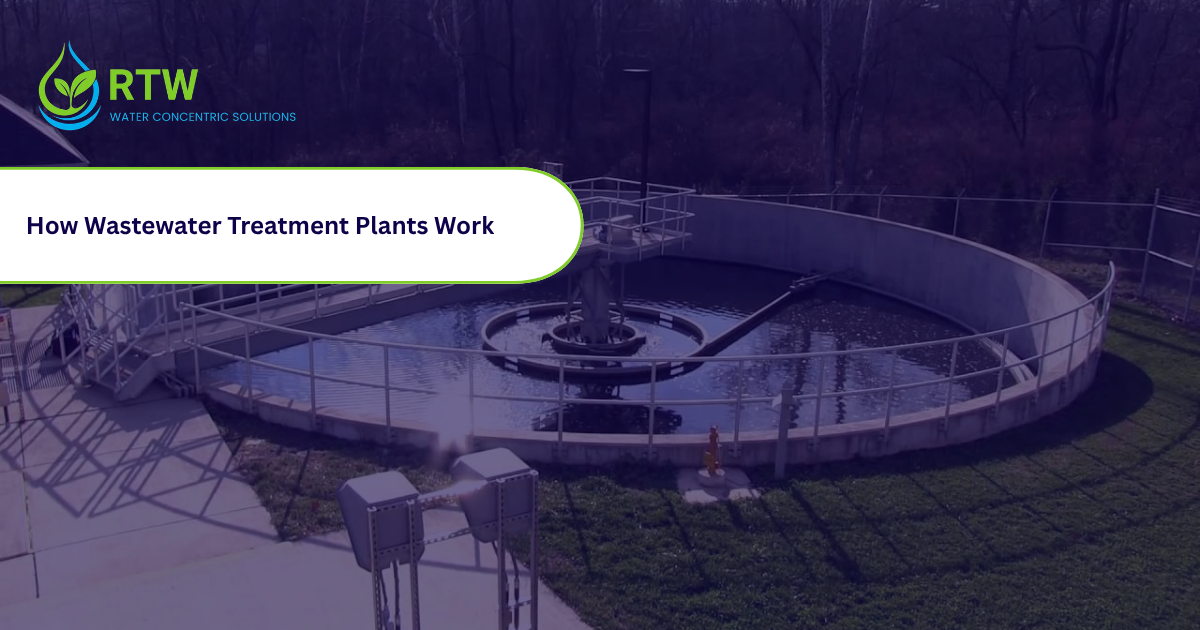
Every day, homes, factories, hotels, and commercial buildings generate wastewater through cleaning, manufacturing, cooking, and sanitation activities. This water cannot return directly to rivers, lakes, or the environment because it carries contaminants that may damage ecosystems and threaten public health.
A modern water treatment plant removes these pollutants through carefully planned treatment stages before releasing or reusing the water.
Understanding how wastewater treatment plants work helps industries and communities appreciate the importance of clean water. Each treatment stage improves water quality, protects natural resources, and supports a healthier future for everyone.
What Is Wastewater?
Wastewater is any water whose quality has changed after being used. It comes from households, industries, hospitals, hotels, commercial facilities, and agricultural operations.
Depending on its source, wastewater may contain suspended solids, oils, grease, chemicals, bacteria, nutrients, heavy metals, or organic waste. Industrial wastewater is usually more complex than domestic wastewater because different manufacturing processes produce different contaminants.
This variation requires treatment systems that match the specific wastewater characteristics. Every water treatment plant process begins with understanding the type and concentration of pollutants before selecting suitable treatment technologies.
Why Do We Need to Treat Wastewater?
Treating wastewater protects people, industries, and the environment. Every treatment stage removes pollutants that could otherwise contaminate rivers, groundwater, and public water supplies. Modern treatment plants also support water reuse, helping communities conserve valuable freshwater resources while meeting increasingly strict environmental regulations.
Preserving the Environment
Untreated wastewater damages rivers, lakes, and coastal ecosystems. Excess nutrients encourage algae growth, while chemicals and heavy metals harm fish and aquatic life. Proper treatment of wastewater prevents pollutants from entering natural water bodies and helps maintain healthy ecosystems for future generations.
Protecting Human Health
Wastewater often contains harmful bacteria, viruses, and disease-causing microorganisms. If released without treatment, these contaminants may spread illness through contaminated water sources.
Every treatment stage removes or destroys harmful organisms before treated water reaches the environment. Many wastewater treatment facilities include advanced disinfection systems that eliminate remaining microorganisms before final discharge.
Alleviating Water Scarcity
Freshwater resources remain limited in many regions. Treated wastewater creates an additional water source for irrigation, cooling systems, industrial operations, and landscape maintenance. Reusing treated water reduces pressure on groundwater and drinking water supplies while supporting long-term sustainability.
Phases of a Wastewater Treatment Plant
Every treatment plant follows a series of carefully planned stages. Each stage removes different types of contaminants before passing water to the next process. Together, these treatment phases improve water quality while preparing it for safe discharge, industrial reuse, or environmental applications.
1. Pretreatment
Pretreatment removes large materials before they reach sensitive treatment equipment. Bar screens capture plastic, wood, rags, paper, and other debris. Grit chambers remove sand, gravel, and heavy particles that could damage pumps.
This early stage also represents an important part of mechanical wastewater treatment because physical equipment separates unwanted materials without using chemicals or biological reactions. Removing large debris protects downstream equipment while reducing maintenance requirements throughout the plant.
2. Primary Treatment
Primary treatment slows wastewater flow inside large settling tanks. Heavy suspended solids settle naturally to the bottom while oils and grease float to the surface for removal.
This process significantly reduces suspended solids before biological treatment begins. Although primary treatment removes a large portion of physical contaminants, many dissolved pollutants remain and require additional treatment.
3. Secondary Treatment
Secondary treatment removes dissolved organic matter using beneficial microorganisms. These naturally occurring bacteria consume pollutants and convert them into harmless by-products. This stage produces much cleaner water than physical treatment alone and forms the heart of most wastewater treatment facilities. Several biological treatment methods are available depending on wastewater characteristics and treatment objectives.
Anoxic Treatment
Anoxic treatment occurs without dissolved oxygen but still supports specialized bacteria. These microorganisms convert nitrates into harmless nitrogen gas through denitrification. This process reduces nitrogen pollution before treated water leaves the facility.
Anoxic treatment commonly forms one stage within a modern biological wastewater treatment plant because it improves nutrient removal while supporting regulatory compliance.
Anaerobic Treatment
Anaerobic treatment occurs without oxygen. Specialized microorganisms break down high-strength organic wastewater while producing biogas.
Food processing plants, breweries, and several manufacturing industries frequently use anaerobic systems because they reduce sludge production and generate renewable energy.
This treatment method also lowers operating costs for facilities handling wastewater with high organic concentrations.
Aerobic Treatment
Aerobic treatment supplies oxygen to beneficial bacteria that rapidly consume organic pollutants. Aeration tanks provide ideal conditions for microbial growth while reducing Biological Oxygen Demand (BOD) and Chemical Oxygen Demand (COD).
Activated sludge systems, oxidation ditches, and sequencing batch reactors all rely on aerobic treatment to produce consistently high-quality effluent.
Together, anoxic, anaerobic, and aerobic processes complete many important stages of the wastewater treatment process before water advances to polishing treatment.
4. Tertiary Treatment
Tertiary treatment provides final polishing before discharge or reuse. This stage removes remaining suspended solids, nutrients, dissolved contaminants, bacteria, and microscopic particles that survive earlier treatment.
Common tertiary technologies include filtration, membrane treatment, ultraviolet disinfection, chlorination, activated carbon adsorption, and Reverse Osmosis.
Many plants install a wastewater filtration system during tertiary treatment because it improves water clarity and removes very fine particles before final disinfection.
These advanced polishing systems also strengthen water reuse programs by producing water suitable for industrial applications, irrigation, and other approved non-potable purposes.
Wrapping Up
Wastewater treatment plants transform contaminated water into a valuable resource through carefully planned physical, biological, and advanced treatment stages. Every phase protects public health, conserves water, and supports environmental sustainability while helping industries and communities meet growing water demands.
RT Water designs and delivers advanced wastewater treatment solutions that improve operational efficiency, maximize water recovery, and support reliable treatment performance across every industry.
FAQs
How do wastewater treatment plants work?
How wastewater treatment plants work involves several treatment stages that remove solids, organic matter, nutrients, and microorganisms before treated water is safely discharged or reused.
What is the first step of wastewater treatment?
The first step removes large debris through screens and grit chambers. This protects downstream equipment and prepares wastewater for additional treatment stages.
What are the main steps of wastewater treatment?
The primary steps of wastewater treatment include pretreatment, primary treatment, secondary biological treatment, tertiary polishing, and final disinfection before discharge or reuse.
Why is biological treatment important?
Biological treatment removes dissolved organic pollutants using beneficial microorganisms. This process significantly improves water quality while reducing harmful contaminants before final polishing.
Can treated wastewater be reused?
Yes. Advanced treatment allows reclaimed water to support irrigation, industrial cooling, manufacturing, landscaping, and several other approved non-potable applications after meeting required quality standards.