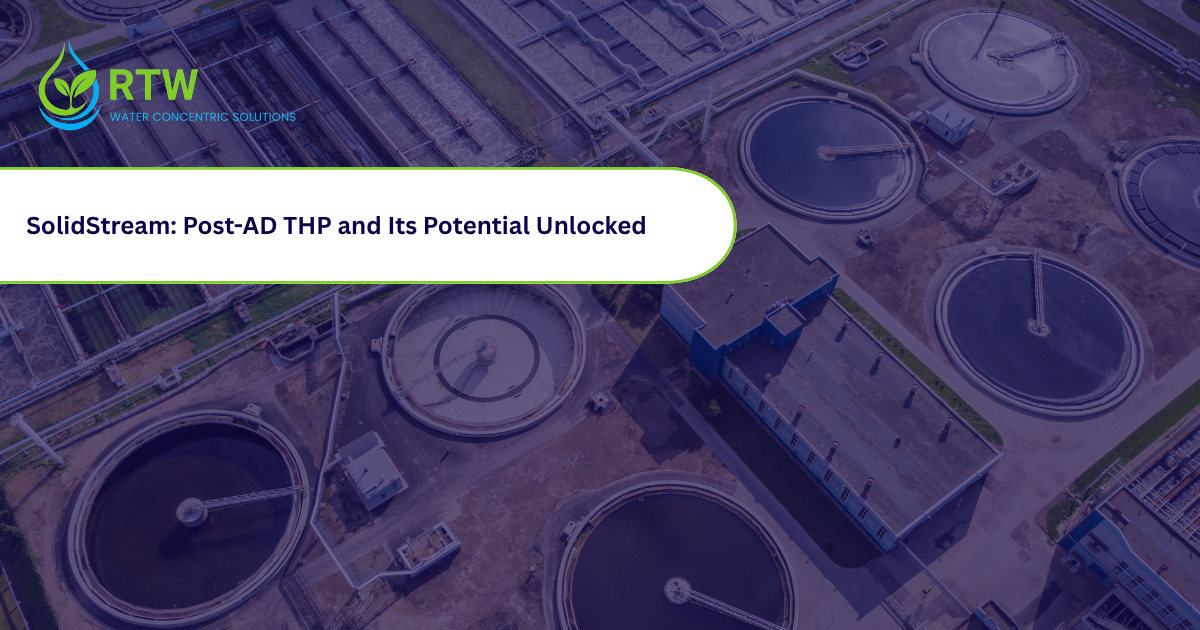
Wastewater treatment plants are always looking for better ways to get more energy and reduce sludge. One approach gaining attention is SolidStream, a system linked with post-anaerobic digestion thermal hydrolysis. It improves how sludge is broken down after digestion.
This makes it easier to handle and more efficient to process. This method helps increase energy recovery while reducing final waste volume. It also improves downstream performance in treatment plants.
This article explains how SolidStream works, its benefits, integration methods, and challenges in simple terms for better understanding of modern sludge treatment systems. Let’s start by getting a better idea of what this technology entails.
Introduction to SolidStream Technology
SolidStream is a post-treatment method used after anaerobic digestion to improve sludge quality further. It applies thermal hydrolysis to already digested sludge, breaking down remaining complex solids. This helps release additional energy potential. The process is mainly used in advanced wastewater facilities aiming for better efficiency and improved sludge handling performance.
Understanding Post-AD Thermal Hydrolysis
Post-anaerobic digestion thermal hydrolysis applies controlled heat and pressure to sludge after digestion is complete. This additional step breaks down resistant organic material that remains after the biological process, which:
- Improves sludge structure
- Increases solubility
- Enhances downstream processing efficiency
It also supports higher energy recovery from earlier digestion stages.
How SolidStream Works
SolidStream operates through a sequence of controlled stages that transform digested sludge into a more refined and manageable material. Each step contributes to improved breakdown and energy recovery. Here is how sludge is prepared, processed, and enhanced to achieve better performance in wastewater treatment systems.
Step 1 – Sludge Pre-Treatment
In this stage, digested sludge is prepared for thermal processing. It is thickened and conditioned to ensure uniform heating. This improves energy transfer and prevents operational instability during treatment. Proper preparation ensures the system runs smoothly and delivers consistent results throughout the process cycle.
Step 2 – Thermal Processing Stage
During thermal processing, sludge is exposed to high temperature and pressure conditions. These conditions break down remaining organic compounds into simpler forms. The process improves biodegradability and releases trapped energy potential. It also alters sludge texture, making it more suitable for further dewatering and handling in later stages.
Step 3 – Output Enhancement
After processing, sludge becomes easier to manage and dewater. Its structure is significantly weakened, allowing better water removal. This reduces overall sludge volume and improves efficiency in downstream operations. It also increases the potential for energy recovery when integrated with other treatment processes in the plant.
Key Benefits of SolidStream
SolidStream offers multiple operational advantages for wastewater treatment plants. It enhances sludge breakdown efficiency and improves resource recovery. It also supports better plant performance by reducing handling difficulties and improving energy output. These benefits make it a valuable addition to advanced sludge treatment systems.
Improved Dewaterability
The process breaks down sludge structure at a deeper level, allowing water to separate more easily. This reduces energy required for dewatering equipment and lowers transport costs. It also results in drier sludge cake, which is easier to manage and dispose of in later stages of treatment.
Increased Energy Recovery
By further breaking down organic material, SolidStream increases the availability of biodegradable matter. This leads to higher biogas production in connected systems. The additional energy generated can be used for plant operations, reducing external energy dependency and improving overall operational efficiency.
Reduced Sludge Volume
SolidStream significantly reduces final sludge volume by removing excess water and breaking down solids. This leads to lower disposal costs and less frequent handling requirements. It also reduces environmental pressure associated with sludge transportation and final disposal processes in wastewater treatment operations.
Integration into Existing Plants
SolidStream can be added into current wastewater treatment systems with careful planning and system adjustments. It does not always require complete redesign, but operational changes are needed. Let’s explain how retrofitting is possible and what adjustments operators must make to ensure smooth and efficient integration.
Retrofitting Possibilities
SolidStream can be integrated into existing wastewater treatment facilities without requiring complete system replacement. This makes it a practical upgrade option. However, compatibility checks are necessary to ensure smooth integration with current digestion and dewatering systems. Proper planning helps avoid operational disruptions during installation.
Operational Adjustments
Implementing SolidStream requires adjustments in temperature control, sludge flow rates, and processing time. Operators must monitor system performance closely during initial stages. Training is also important to ensure efficient operation. These adjustments help maintain stability and ensure the system delivers expected performance improvements.
Future Potential of SolidStream
SolidStream is expected to become more efficient as technology improves. Automation and better heat recovery systems may reduce operational costs. Integration with renewable energy sources is also being explored. As wastewater plants focus more on resource recovery, adoption of advanced systems like SolidStream is likely to increase.
Conclusion
SolidStream improves sludge treatment by enhancing breakdown efficiency and increasing energy recovery after digestion. It supports better wastewater management and reduces overall sludge volume.
RT Water delivers advanced sludge treatment technologies that improve efficiency, increase energy recovery, and support sustainable wastewater operations across modern industrial and municipal facilities worldwide.
FAQs
What is SolidStream technology?
SolidStream is a post-anaerobic digestion thermal hydrolysis process that improves sludge breakdown and increases energy recovery in wastewater treatment systems.
How does SolidStream improve sludge handling?
It breaks down sludge structure further after digestion, making it easier to dewater, reducing volume, and improving overall handling efficiency.
Is SolidStream suitable for small treatment plants?
It is mainly used in large or advanced plants due to higher energy and equipment costs, making it less common in smaller facilities.
Does SolidStream increase energy production?
Yes, it improves the release of biodegradable material, which can increase biogas production when integrated with energy recovery systems.
What are the main challenges of SolidStream?
High installation cost, energy demand, and need for skilled operation are the main challenges in adopting SolidStream technology.