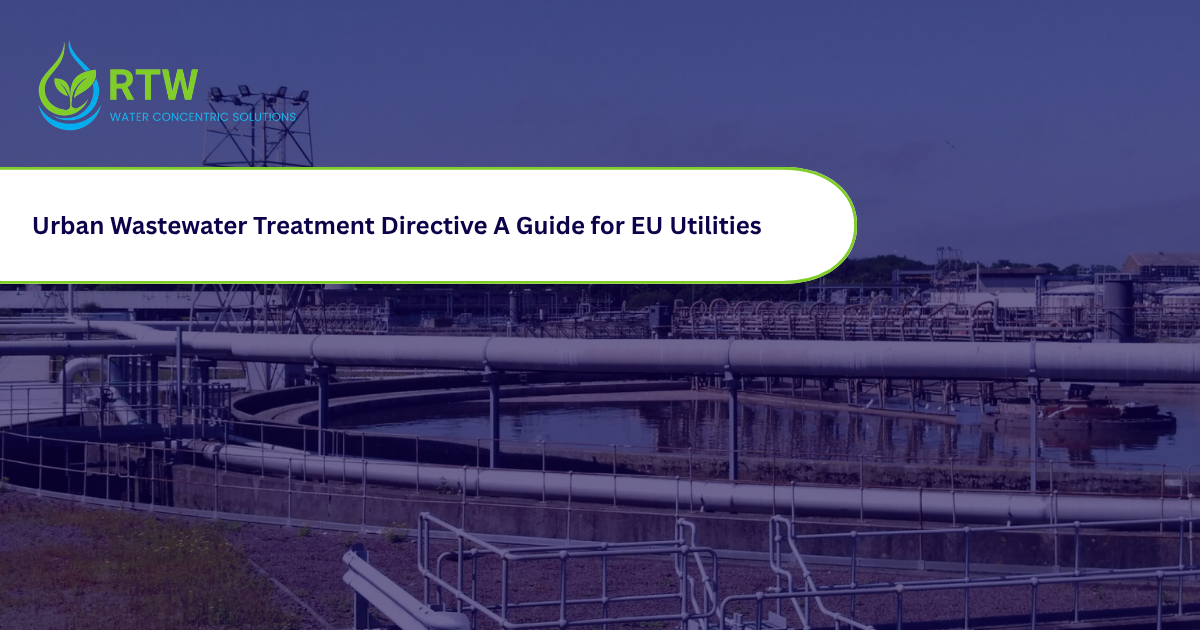
Urban wastewater management in Europe follows strict rules to protect public health and the environment. The Urban Wastewater Treatment Directive sets clear standards for collecting, treating, and discharging wastewater. It helps ensure that cities manage sewage in a safe and consistent way.
Utilities must meet these requirements while dealing with population growth and aging infrastructure. Compliance is not optional, and regular updates make the rules even more detailed. This article explains the directive, its key requirements, and how utilities can adapt their systems to meet modern expectations in wastewater treatment.
Overview of the Urban Wastewater Treatment Directive
The Urban Wastewater Treatment Directive is a European regulation designed to control pollution from municipal wastewater. It sets minimum standards for collection systems and treatment levels across cities and towns. The goal is to protect water bodies from harmful discharge.
This directive applies to all EU member states and requires consistent monitoring. It also promotes better infrastructure planning. Utilities must ensure that wastewater is treated before being released into rivers, lakes, or coastal waters.
Key Requirements of the Directive
The directive sets out clear obligations that guide how urban wastewater must be collected, treated, and monitored across Europe. These requirements ensure consistency and environmental protection. Let’s break down the main areas of compliance that utilities must follow to meet regulatory standards and maintain proper wastewater management systems.
Collection Systems
Cities must provide proper sewer systems for collecting urban wastewater. These systems must be designed to handle population needs and prevent leaks or overflow.
Treatment Standards
Wastewater must go through primary, secondary, and sometimes advanced treatment. This ensures the removal of organic matter, nutrients, and harmful substances.
Monitoring and Reporting
Utilities must regularly test water quality and report results to authorities. This ensures transparency and compliance with environmental rules.
Impact on EU Utilities
The directive affects how utilities plan, upgrade, and operate wastewater systems. It influences budgets, infrastructure decisions, and long-term strategies. Many organizations must adjust to stricter expectations and growing demand. Let’s explain how these changes affect infrastructure development and the financial pressure faced by utilities.
Infrastructure Upgrades
Many utilities must upgrade aging systems to meet directive standards. This includes expanding treatment capacity and improving pipeline networks.
Compliance Costs
Meeting regulatory requirements often requires large investments. These costs include new technology, staff training, and system maintenance.
Increased Operational Complexity
Stricter regulations add more monitoring, reporting, and system control tasks. Utilities must manage more complex operations while ensuring consistent treatment performance.
Funding and Investment Pressure
Upgrading infrastructure requires significant financial resources. Many utilities face pressure to secure funding for modernization, expansion, and technology adoption to meet directive standards.
Recent Updates and Revisions
The directive has been updated over time to include stricter environmental goals. Recent changes focus on nutrient removal, energy efficiency, and digital monitoring. These updates reflect growing concerns about climate change and water pollution.
Utilities must stay informed about these changes. Failure to comply can lead to penalties or funding restrictions. The updated rules also encourage innovation in treatment technologies.
Implementation Challenges
Utilities face several challenges when applying the directive. One major issue is the cost of upgrading infrastructure. Many cities still rely on outdated systems.
Another challenge is managing increased wastewater volumes due to urban growth. Seasonal changes and stormwater inflow also create pressure on treatment plants. Staff training and technical capacity can also limit progress in some regions.
Best Practices for Compliance
Meeting directive requirements requires practical strategies that improve efficiency and system reliability. Utilities must adopt modern approaches to stay compliant while managing costs. The following sections highlight effective methods, such as technology adoption and improved operational control, that help utilities meet regulatory expectations more effectively.
Technology Adoption
Modern treatment technologies help utilities meet standards more effectively. Automation and advanced filtration systems improve efficiency and reduce errors.
Operational Efficiency
Better planning and system control reduce energy use and improve treatment quality. Regular maintenance also helps avoid system failures.
Preventive Maintenance Programs
Regular inspection and maintenance of equipment helps avoid system failures. Preventive schedules ensure pumps, filters, and pipelines operate efficiently and meet compliance standards consistently.
Staff Training and Skill Development
Well-trained staff improves operational accuracy and response time. Continuous training ensures teams understand regulatory requirements and can manage advanced treatment systems effectively.
Future Outlook for EU Water Policy
Water regulations in Europe are expected to become stricter over time. Focus areas include energy efficiency, carbon reduction, and nutrient recovery. Utilities will need to adopt smarter systems and improve sustainability practices.
Digital monitoring and real-time data will play a larger role in compliance. This shift will help improve both environmental protection and operational performance.
Final Words
The Urban Wastewater Treatment Directive ensures safe and consistent wastewater management across Europe. It sets clear standards that protect water bodies and public health while encouraging system upgrades.
RT Water provides advanced wastewater solutions that help EU utilities meet compliance requirements, improve efficiency, and support sustainable water management operations across regions.
FAQs
What is the Urban Wastewater Treatment Directive?
It is a European regulation that sets rules for collecting and treating urban wastewater to protect the environment and public health.
Who must follow the directive?
All EU member states and their municipal wastewater utilities must comply with the directive’s requirements and standards.
What does the directive require from utilities?
It requires proper sewage collection, multi-stage treatment, and regular monitoring and reporting of wastewater quality.
Why is compliance important?
Compliance ensures clean water bodies, reduces pollution, and helps protect ecosystems and human health across urban areas.
What challenges do utilities face?
Major challenges include high upgrade costs, aging infrastructure, increasing wastewater volumes, and adapting to new regulatory changes.