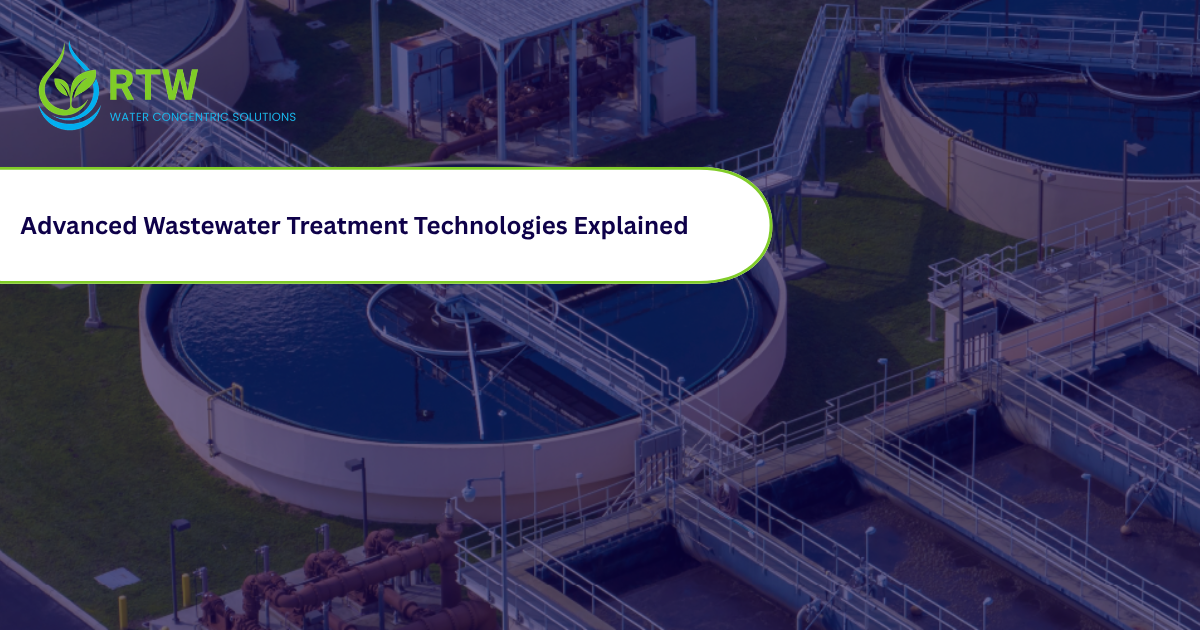
As industries grow and environmental standards become stricter, conventional wastewater treatment methods are no longer enough for many applications. Modern facilities must remove finer pollutants, recover water for reuse, and meet higher discharge standards.
This demand has accelerated the adoption of advanced wastewater treatment technologies across industrial and municipal sectors. These systems improve water quality through specialized treatment stages that remove contaminants conventional methods often leave behind.
If you’ve ever wondered what the latest advancements in wastewater treatment technologies are, the answer lies in membrane systems, advanced oxidation, nutrient removal, and polishing technologies that deliver cleaner and safer water.
Key Advanced Treatment Technologies
Advanced treatment begins after conventional processes have removed most suspended solids and organic matter. The remaining contaminants often include dissolved salts, nutrients, microscopic particles, pharmaceuticals, and trace chemicals. Modern treatment technologies address these pollutants through specialized physical, chemical, and biological processes that improve water quality for discharge or reuse.
1. Membrane Technologies
Membrane technology has become one of the most important developments in wastewater treatment. These systems separate contaminants using semi-permeable membranes that allow clean water to pass while retaining pollutants. Different membrane types provide different levels of filtration depending on treatment objectives and water quality requirements.
Membrane Bioreactors (MBRs)
Membrane Bioreactors combine biological treatment with membrane filtration inside one integrated system. Beneficial microorganisms remove organic pollutants while membranes separate treated water from biomass.
MBRs produce consistently high-quality treated water while requiring less space than many conventional systems. Industries and municipalities use them where water reuse and compact plant design are important priorities.
Although highly efficient, some facilities also evaluate advanced wastewater treatment technologies more advanced than MBBR when treating highly complex industrial wastewater or pursuing Zero Liquid Discharge systems.
Reverse Osmosis (RO)
Reverse Osmosis removes dissolved salts, minerals, heavy metals, bacteria, and microscopic contaminants by forcing water through very fine membranes under high pressure.
RO systems produce excellent water quality suitable for industrial reuse, boiler feed water, cooling systems, and several manufacturing applications.
They also support water conservation by reducing dependence on freshwater supplies. Reverse Osmosis frequently serves as one of the final polishing stages within advanced wastewater treatment systems.
Ultrafiltration (UF) and Nanofiltration (NF)
Ultrafiltration removes suspended solids, bacteria, viruses, and larger organic compounds before advanced polishing. Nanofiltration targets smaller dissolved compounds while allowing certain beneficial minerals to remain.
These membrane systems improve overall treatment efficiency and protect downstream Reverse Osmosis membranes from excessive fouling. Their flexibility allows engineers to select the most suitable filtration level for different industrial applications.
2. Advanced Oxidation Processes (AOPs)
Some pollutants resist biological treatment because their chemical structures remain stable during conventional processing. Advanced Oxidation Processes solve this problem by generating highly reactive hydroxyl radicals that rapidly break down difficult contaminants.
Many facility managers ask what the advanced oxidation process is in wastewater treatment because it addresses pollutants that traditional methods cannot remove efficiently.
AOP systems commonly combine ozone, ultraviolet light, hydrogen peroxide, or other oxidizing agents to destroy pharmaceuticals, pesticides, industrial chemicals, color compounds, and persistent organic pollutants. An advanced oxidation process for wastewater treatment also improves water quality before reuse by:
- Reducing odors
- Improving color
- Removing trace contaminants
Industries handling pharmaceutical production, specialty chemicals, and complex manufacturing wastewater frequently include AOP as part of their advanced treatment strategy.
3. Nutrient Removal (Biological & Chemical)
Nitrogen and phosphorus help plants grow naturally, but excessive amounts entering rivers or lakes create harmful algae growth and reduce water quality. Advanced nutrient removal protects aquatic ecosystems while helping facilities meet increasingly strict environmental regulations. Modern nutrient removal combines biological treatment with chemical polishing to achieve very low nutrient concentrations.
Nitrification/Denitrification
Nitrification converts ammonia into nitrate using beneficial bacteria. Denitrification then changes nitrate into harmless nitrogen gas that safely returns to the atmosphere.
These biological reactions improve treated water quality while reducing nutrient pollution. Many municipal and industrial treatment plants include these processes to satisfy regulatory discharge requirements.
Chemical Precipitation
Chemical precipitation removes phosphorus by adding treatment chemicals that react with dissolved phosphate. The resulting particles become heavy enough to settle for easy removal.
This process complements biological treatment by providing additional phosphorus reduction when extremely low discharge limits apply.
Together, biological and chemical nutrient removal demonstrate what tertiary or advanced wastewater treatment is intended to treat beyond conventional wastewater treatment stages.
4. Activated Carbon Adsorption
Activated carbon provides another polishing step after biological and membrane treatment. Its highly porous structure attracts dissolved organic compounds, unpleasant odors, trace chemicals, and residual color.
Both powdered and granular activated carbon systems improve final water quality before reuse or discharge. Industries often use activated carbon after membrane filtration or Advanced Oxidation Processes to remove contaminants that remain in very low concentrations.
Activated carbon also extends the usefulness of treated water in industrial recycling applications by producing cleaner water with fewer dissolved organic compounds. This makes it a valuable component within modern advanced wastewater treatment systems designed for water recovery and sustainable operation.
Takeaway
Advanced wastewater treatment technologies allow industries and municipalities to produce cleaner water while supporting reuse, environmental protection, and regulatory compliance. Membrane systems, advanced oxidation, nutrient removal, and activated carbon each strengthen treatment performance and improve long-term water sustainability.
RT Water delivers advanced wastewater treatment solutions that combine proven engineering with modern technologies to maximize water recovery, improve compliance, and support sustainable industrial operations.
FAQs
What are advanced wastewater treatment technologies?
Advanced wastewater treatment technologies remove pollutants that conventional treatment cannot eliminate effectively. These systems improve water quality for discharge, recycling, and industrial reuse.
What is the purpose of tertiary wastewater treatment?
Tertiary treatment removes remaining nutrients, microorganisms, dissolved contaminants, and trace pollutants after primary and secondary treatment to produce cleaner and safer treated water.
Why are membrane technologies widely used?
Membrane systems produce consistently high-quality treated water while occupying relatively little space. They also support water reuse across industrial and municipal applications.
When should Advanced Oxidation Processes be used?
Advanced Oxidation Processes work best when wastewater contains pharmaceuticals, industrial chemicals, pesticides, color compounds, or other contaminants that resist conventional biological treatment.
Can advanced treatment support water reuse?
Yes. Advanced treatment technologies produce high-quality reclaimed water suitable for industrial processes, irrigation, cooling systems, and several approved non-potable reuse applications.