

Tackling Wastewater Challenges in the Food Industry: A Simple Guide
The food industry uses large amounts of water every single day. Water supports washing, cooking, cooling, cleaning, and processing operations. Once these activities finish, wastewater remains behind. That wastewater often contains oils, grease, sugars, chemicals, food particles, and organic matter. If treatment does not happen properly, environmental damage can follow quickly. Many food manufacturers struggle […]
Davyhulme: The Story behind Europe’s Largest THP Plant
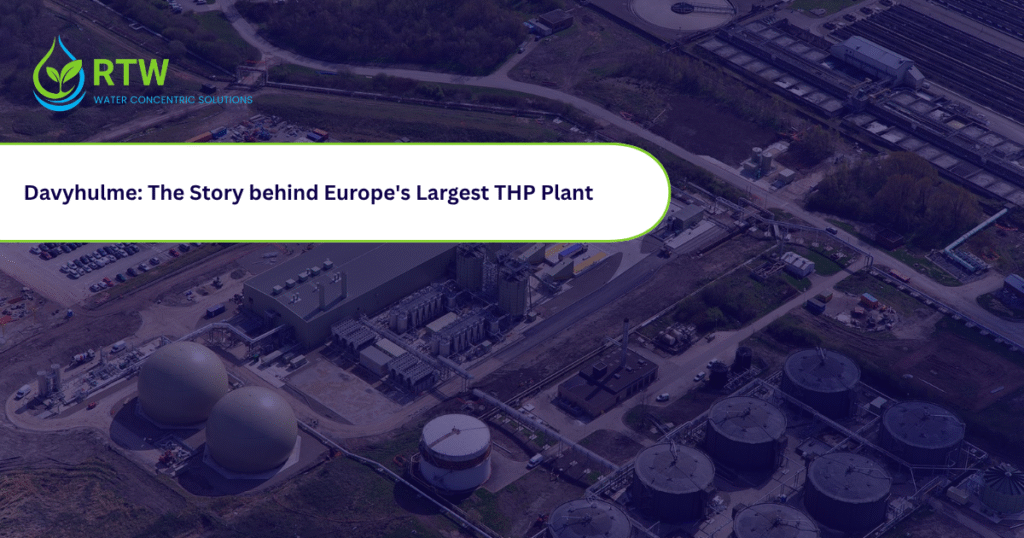
Wastewater treatment has seen major upgrades over the years, especially in large urban systems. One of the most important examples in Europe is the Davyhulme wastewater treatment plant. It is known for its advanced sludge treatment technology and large-scale thermal hydrolysis process. The facility has played a key role in improving energy recovery and reducing […]
Thermal Hydrolysis Configurations and Their Unique Strengths
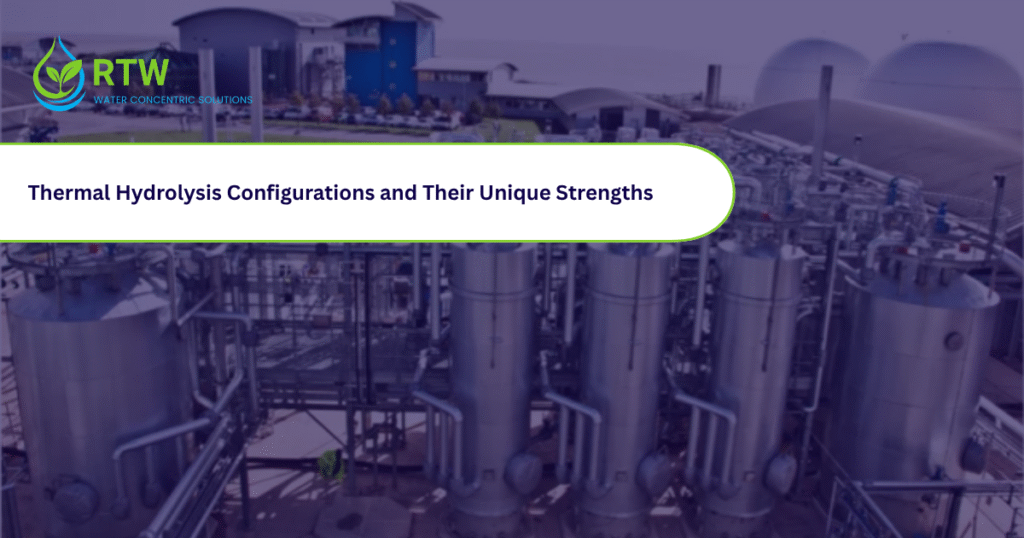
Wastewater treatment plants are constantly improving sludge processing methods to increase efficiency and energy recovery. Thermal hydrolysis is one of the most effective technologies used today. It uses heat and pressure to break down sludge and improve digestion performance. However, not all systems are designed the same way. Different configurations offer different strengths depending on […]
Solid Stream: Post-AD THP and Its Potential Unlocked
Wastewater treatment plants are always looking for better ways to get more energy and reduce sludge. One approach gaining attention is SolidStream, a system linked with post-anaerobic digestion thermal hydrolysis. It improves how sludge is broken down after digestion. This makes it easier to handle and more efficient to process. This method helps increase energy […]
Fugitive Emissions in Wastewater Treatment: A Climate Threat
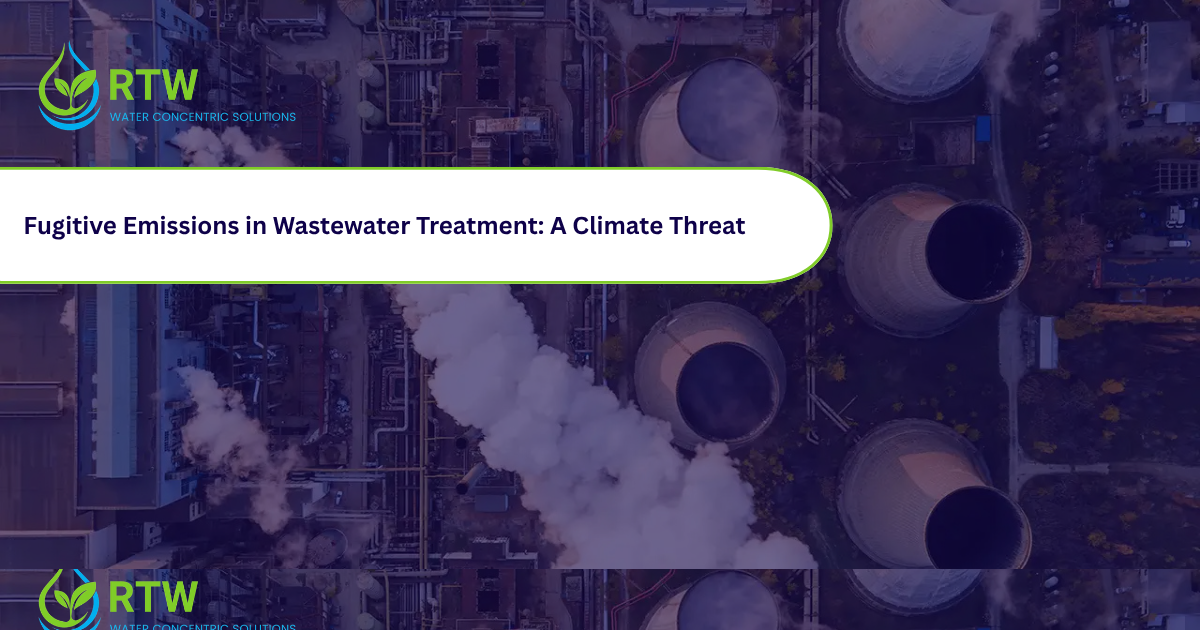
Wastewater treatment plants clean water, but they can also release hidden gases into the air. These are called fugitive emissions. They escape from equipment, pipes, and open processes without being captured. Many of these gases, like methane and nitrous oxide, have a strong impact on climate change. Because they are hard to detect, they often […]
Biogas from Wastewater: A Sustainable Energy Solution
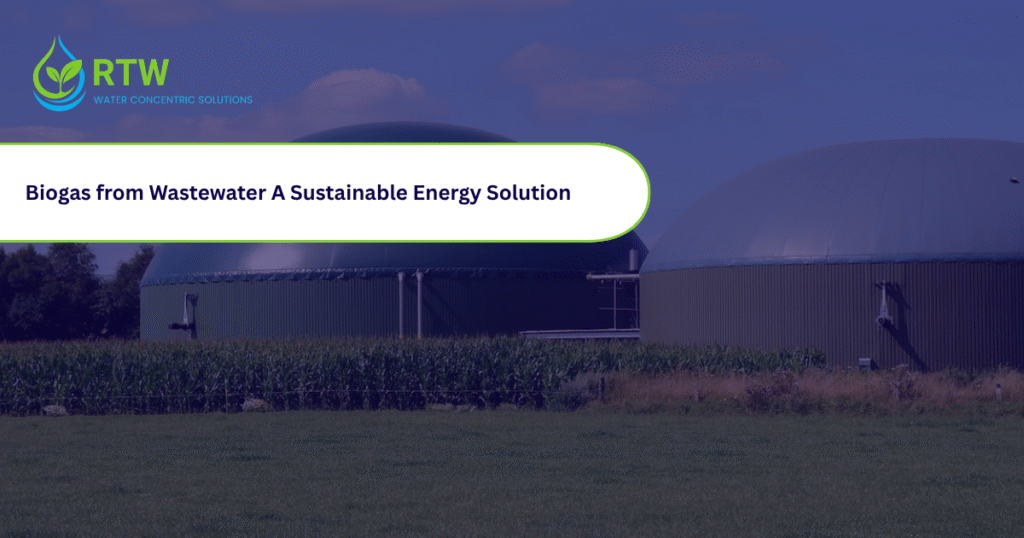
Wastewater treatment is not just about cleaning water. It also creates energy opportunities through gas production. One of the most useful outputs is biogas, formed during the biological breakdown of organic matter. This gas contains energy that can be used for heating, electricity, and plant operations. Many facilities now focus on capturing and using this […]
Nitrogen Recovery in Wastewater Treatment
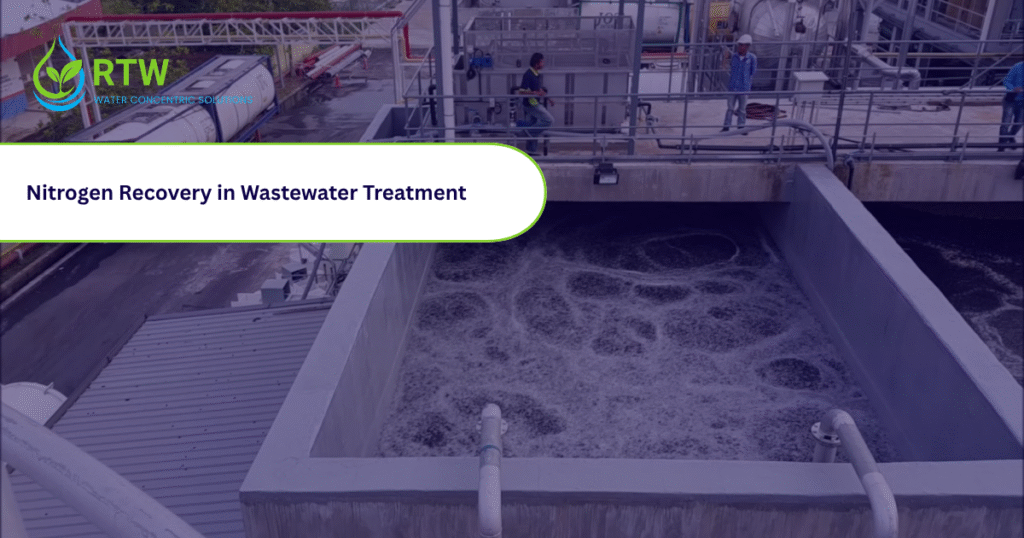
Wastewater carries many useful materials along with unwanted waste. One of the most important is nitrogen. In most treatment plants, nitrogen is removed to prevent pollution. Today, many systems also focus on recovering it for reuse. This shift supports resource efficiency and reduces dependency on synthetic fertilizers. Nitrogen recovery helps close the loop between waste […]
PFAS in Biosolids: Solutions and Treatment Technologies
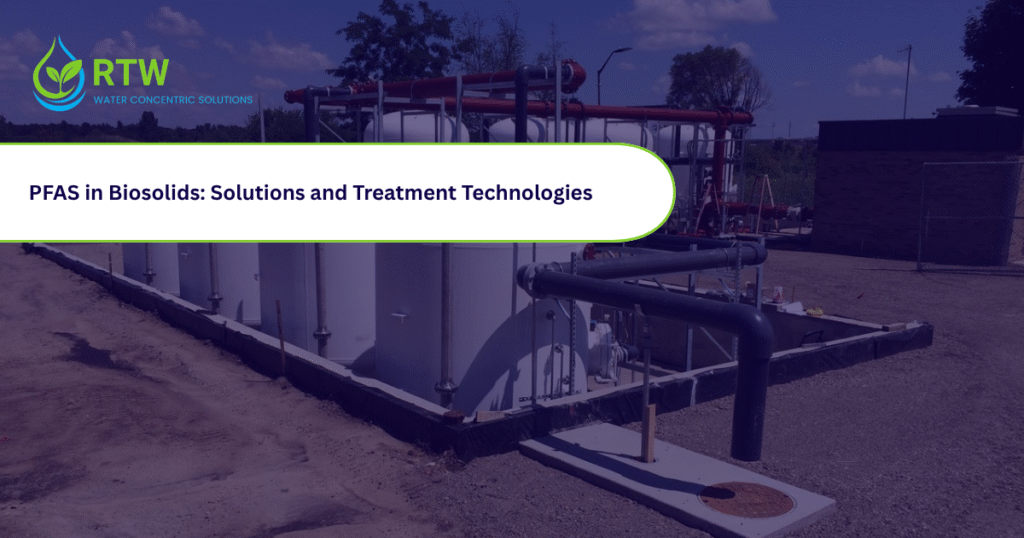
Wastewater treatment plants handle more than water. They also deal with leftover solids called biosolids. In recent years, a group of chemicals called PFAS has raised concerns about these materials. These substances do not break down easily and can stay in the environment for long periods. Their presence in biosolids creates challenges for safe reuse […]
Phosphorus Recovery in Wastewater Treatment
Wastewater contains more than just unwanted material. It also carries nutrients that can be reused, especially phosphorus. This element is essential for food production but exists in limited natural reserves. Because of this, treatment systems are shifting from simple removal to recovery. Phosphorus recovery wastewater practices help reduce pollution while creating value from waste streams. […]
Sludge Gasification: Fundamentals and Integration Scenarios
Wastewater treatment plants generate large amounts of sludge every day. Managing this sludge is a growing challenge due to rising disposal costs and environmental limits. Sludge gasification offers a way to convert this waste into useful energy. It uses high temperatures and limited oxygen to break down organic material and produce syngas. This gas can […]