Zero Liquid Discharge: When Industries Need It
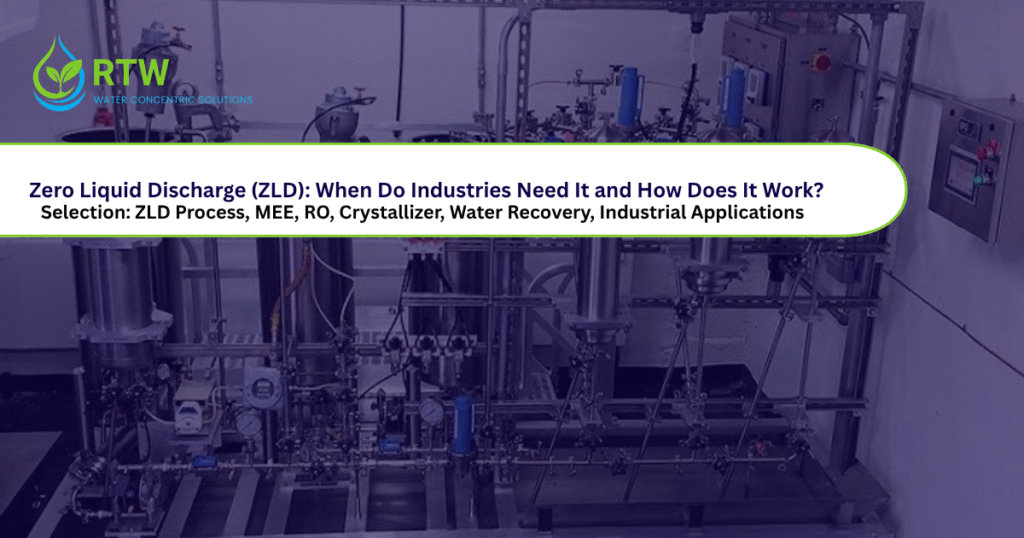
Water is essential for industrial production across the Middle East. Yet some factories produce wastewater that cannot be released through normal discharge routes. High salt levels, strict rules, and limited water supplies can create serious pressure on plant operators. A zero liquid discharge approach treats wastewater until no liquid effluent leaves the facility. Instead, the […]
How to Choose the Right Wastewater Treatment Technology for Your Industry?
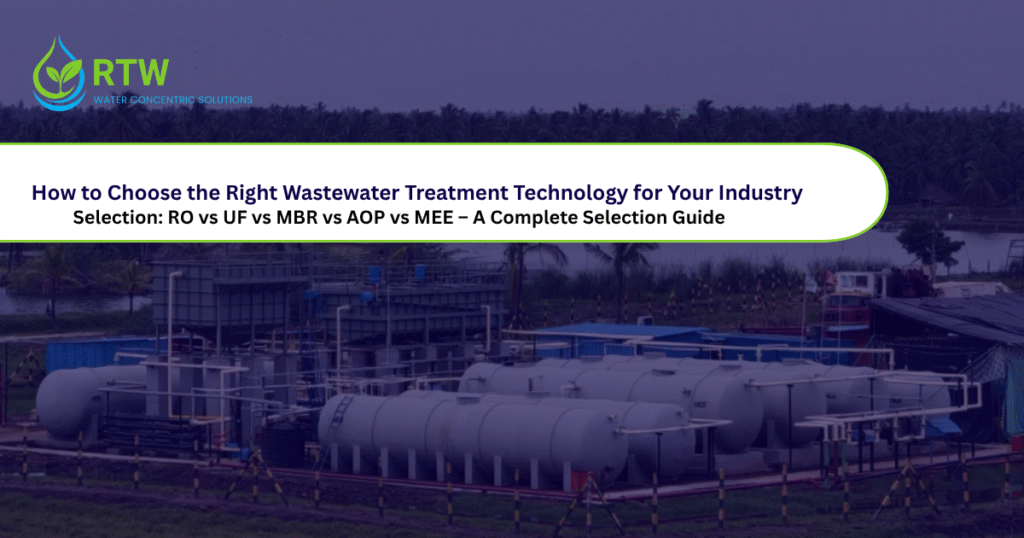
Choosing wastewater treatment technology can feel like a major business decision. The right system must handle the actual wastewater your facility produces while meeting discharge limits and keeping operating costs under control. A food plant may face high organic loads. A textile facility may deal with color and chemicals. An industrial site may require salt […]
Why Lab-Scale Testing Is Essential Before Building an Industrial Wastewater Treatment Plant
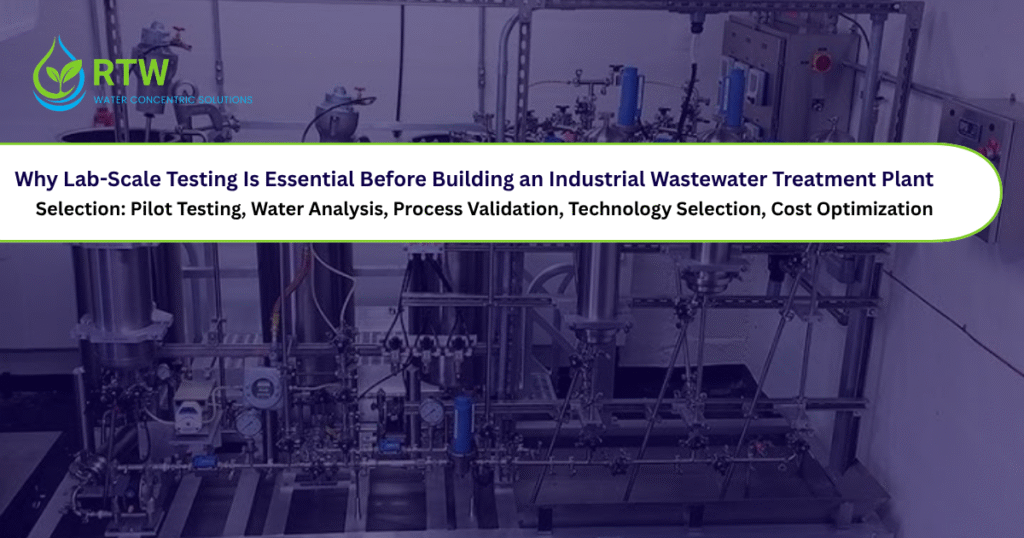
Building an industrial wastewater treatment plant requires careful planning before construction begins. Every industry produces wastewater with different pollutants and treatment needs. A process that works well for one facility may produce poor results at another site. Lab-scale testing gives engineers useful information before large equipment is purchased or installed. It shows how wastewater reacts […]
Wastewater Treatment Plant Optimization: 7 Ways to Improve Efficiency and Reduce Downtime
A wastewater treatment plant cannot afford frequent shutdowns. Every unexpected stop can delay production, increase repair bills, and put treatment targets at risk. Small problems can quickly become expensive if nobody catches them early. Good wastewater treatment planning gives plant teams a clearer path. It helps them track equipment, energy use, treatment processes, and maintenance […]
How Water Recycling Helps Industries Reduce Operating Costs
Water is a major expense for many industries across the Middle East. Factories use large amounts of water for production, cooling, cleaning, and other daily tasks. Much of that water eventually leaves the facility as wastewater. Buying fresh water while paying to manage wastewater can quickly raise costs. Water recycling changes that cycle. With suitable […]
Advanced Wastewater Treatment Technologies Explained
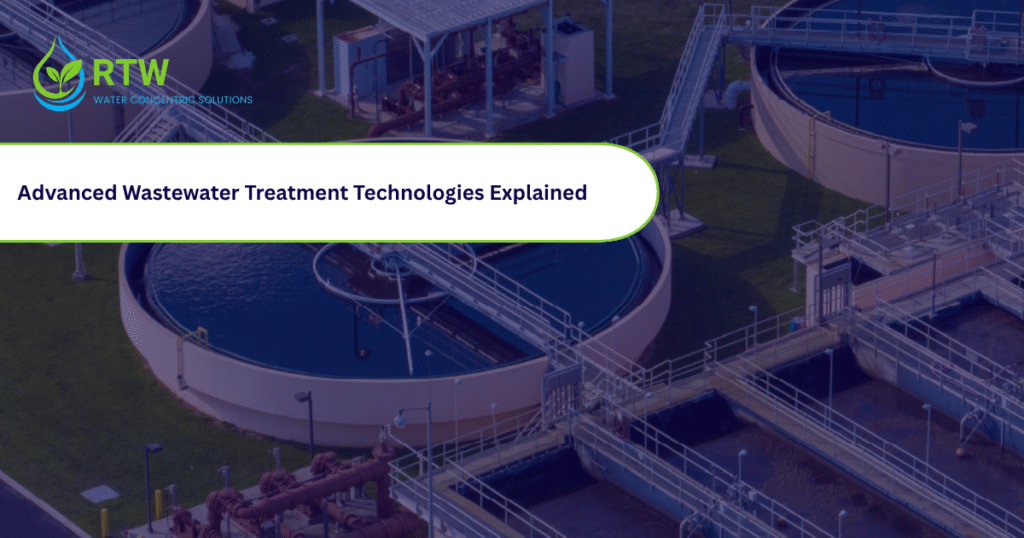
As industries grow and environmental standards become stricter, conventional wastewater treatment methods are no longer enough for many applications. Modern facilities must remove finer pollutants, recover water for reuse, and meet higher discharge standards. This demand has accelerated the adoption of advanced wastewater treatment technologies across industrial and municipal sectors. These systems improve water quality […]
Common Challenges in Industrial Wastewater Treatment
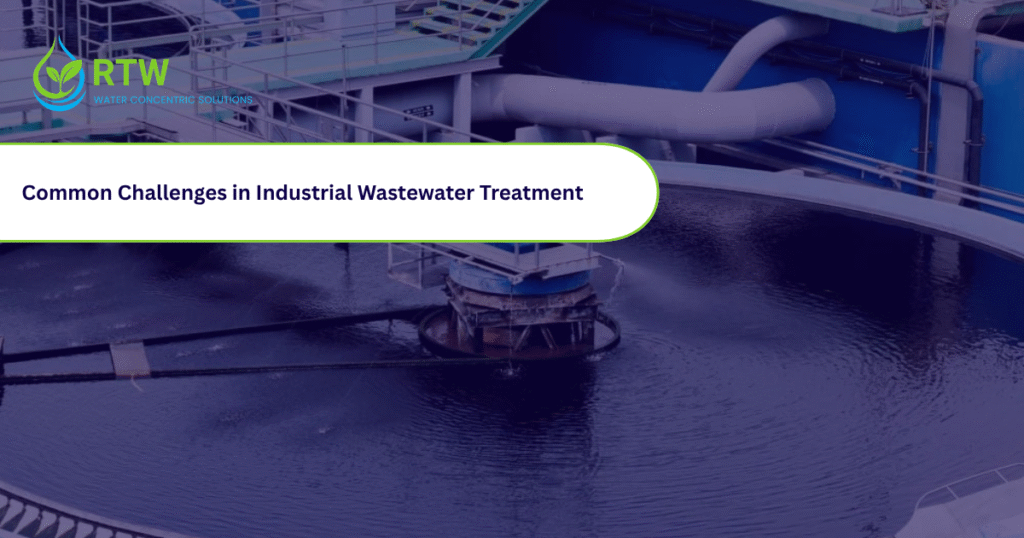
Industrial facilities produce wastewater every day through manufacturing, cleaning, cooling, and processing activities. This wastewater often contains oils, chemicals, heavy metals, suspended solids, and organic matter that require proper treatment before discharge or reuse. As industries expand, treatment systems must handle greater volumes while meeting stricter environmental standards. These growing wastewater treatment challenges require reliable […]
How Wastewater Treatment Plants Work?
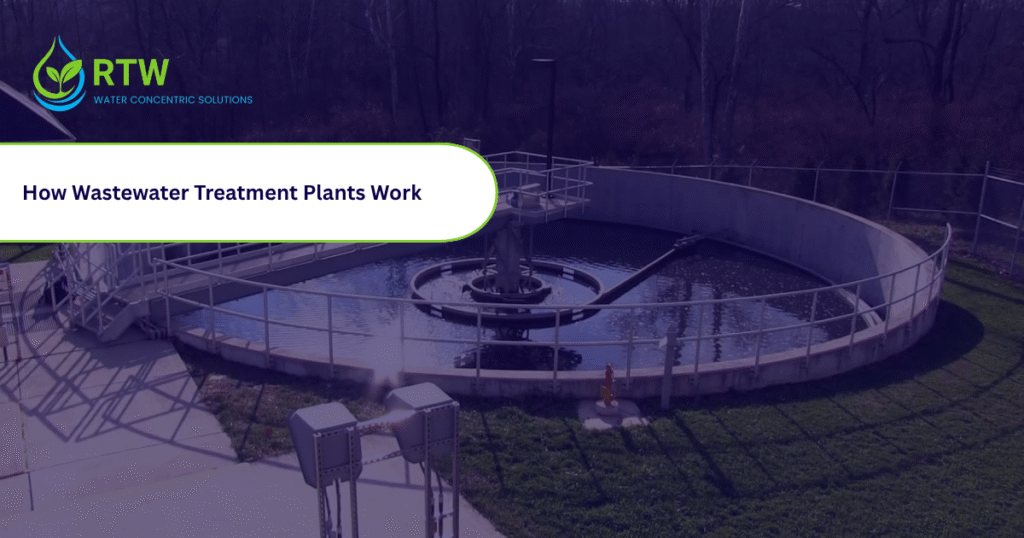
Every day, homes, factories, hotels, and commercial buildings generate wastewater through cleaning, manufacturing, cooking, and sanitation activities. This water cannot return directly to rivers, lakes, or the environment because it carries contaminants that may damage ecosystems and threaten public health. A modern water treatment plant removes these pollutants through carefully planned treatment stages before releasing […]
Wastewater Treatment and Water Reuse in Saudi Arabia
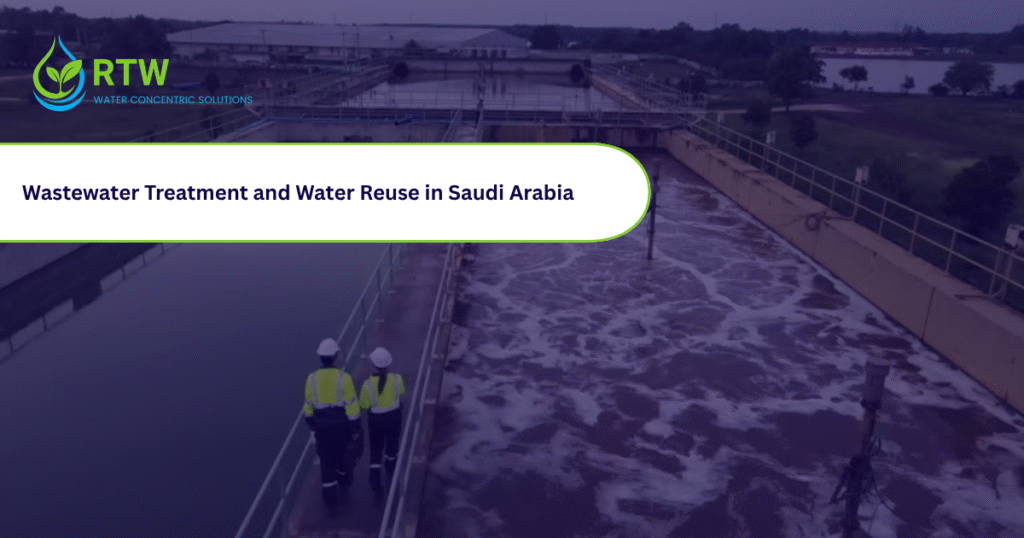
Water has always been one of Saudi Arabia’s most valuable resources. Rapid population growth, expanding industries, and increasing agricultural demand continue to place pressure on available water supplies. For this reason, wastewater has become an important resource instead of something that should simply be discarded. Modern treatment technologies now make it possible to recover water […]
Industrial Wastewater Treatment Methods for GCC Industries
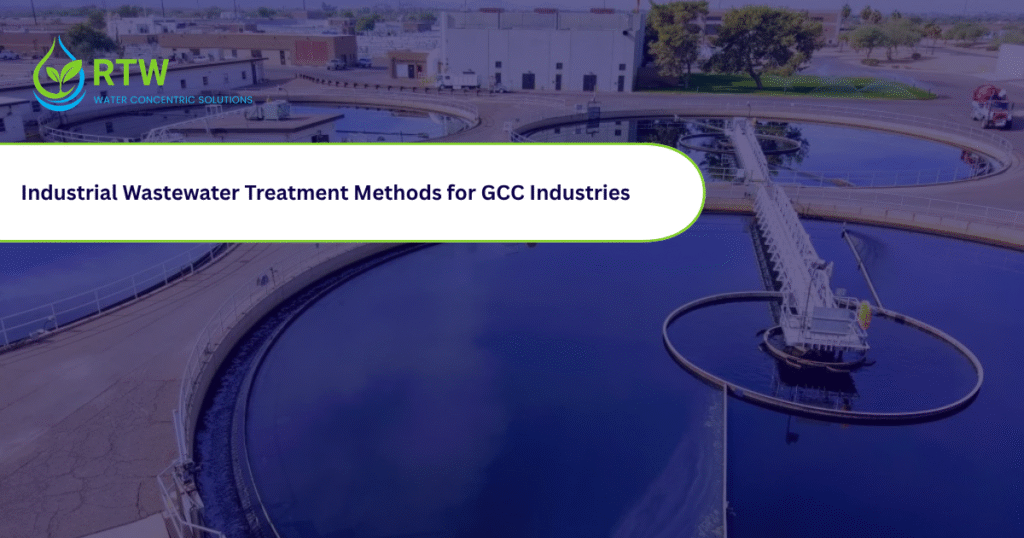
Industries across the GCC depend on water every day. Manufacturing plants, food processors, refineries, chemical facilities, and power stations all generate wastewater during production. Treating this water has become a top priority as governments strengthen environmental regulations and water scarcity continues to affect the region. Modern treatment methods help industries reduce pollution, recycle valuable water, […]