Water shortages affect homes, cities, and industries every single day. Freshwater sources feel the strain, especially in regions with dry climates and fast population growth. That pressure has pushed many people to rethink how water is used after daily activities.
Greywater treatment offers a practical way to reuse water that would otherwise go to waste. Water from sinks, showers, and washing machines still carries value. With proper treatment, it can serve useful purposes again.
This approach reduces demand on freshwater supplies while supporting long-term sustainability. Greywater systems turn everyday water habits into smarter water management choices. Let’s learn more about what Greywater treatment is all about and the benefits that it offers.
What is Greywater Treatment?
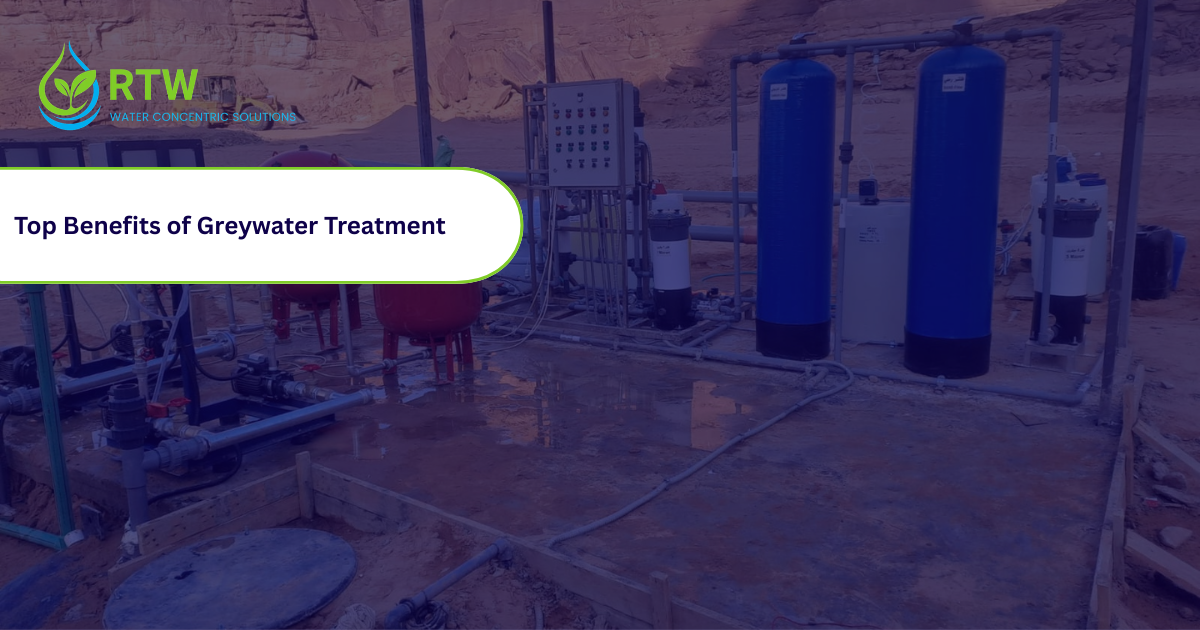
Greywater treatment is the process of cleaning water collected from bathrooms, laundry areas, and wash basins. This water excludes waste from toilets and kitchen grease sources. Once treated, the water becomes safe for controlled reuse. Grey water usage focuses on efficiency, safety, and conservation.
Treatment systems remove soap residues, particles, and odors. The treated output supports non-drinking applications. Greywater treatment reduces freshwater intake while extending water availability for households and facilities that aim to manage water responsibly.
Top Benefits of Greywater Treatment
Greywater systems offer multiple benefits that extend beyond simple water reuse. They support conservation goals, reduce expenses, and ease pressure on public infrastructure. Each benefit connects to practical outcomes that improve daily operations and long-term planning. Let’s explain how these advantages create measurable value across residential and commercial settings.
Significant Water Conservation
Greywater reuse lowers the demand for fresh water supplies. Water from daily activities gains a second purpose. This practice cuts overall water withdrawal from municipal systems. Conservation becomes part of routine living. Over time, reduced freshwater consumption supports regional water security and responsible resource management.
Lower Utility Costs
Reusing treated Greywater reduces dependence on supplied freshwater. Lower water intake leads to reduced utility bills. Savings grow steadily with continued use. Homes and facilities benefit from predictable cost control. Over time, Greywater treatment helps manage rising water tariffs without sacrificing comfort or functionality.
Environmental Protection
Greywater reuse reduces wastewater discharge volumes. Less water enters sewer systems. This eases the load on treatment facilities. Natural water bodies face reduced contamination risks. Responsible grey water usage supports cleaner ecosystems and protects soil quality around discharge zones.
Sustainable Landscaping
Treated Greywater supports irrigation for gardens and green spaces. Plants receive consistent moisture without tapping potable water sources. Landscapes remain healthy during dry seasons. Controlled irrigation improves plant resilience. This application keeps outdoor spaces green while conserving freshwater reserves.
Reduced Energy Consumption
Water treatment and pumping consume energy. Lower freshwater demand reduces energy use across supply networks. Greywater systems shorten the water cycle. Less energy supports long-term efficiency goals. Reduced energy demand also lowers indirect emissions associated with water distribution.
Infrastructure Longevity
Lower wastewater volumes reduce strain on drainage networks. Pipes, pumps, and treatment facilities experience less wear. This extends infrastructure service life. Maintenance costs decrease. Municipal systems benefit from smoother operations and fewer overload-related issues.
Increased Property Value
Sustainable features attract modern buyers and investors. Properties with Greywater systems signal responsible water management. Long-term savings add appeal. Improved resource efficiency enhances property market perception. Greywater solutions align with growing interest in environmentally conscious living.
Some of the Grey Water Uses You Need to Know About
Greywater reuse works best when applied thoughtfully. Treated water fits specific purposes that avoid direct human consumption. These uses support conservation while maintaining safety standards. The applications below show how grey water uses fit into everyday environments without disrupting daily routines.
Landscape Irrigation
Treated Greywater provides steady irrigation for lawns, trees, and ornamental plants. Controlled delivery prevents overwatering. Soil absorbs moisture efficiently. Landscapes thrive with reduced freshwater demand.
Toilet Flushing
Greywater can supply toilet flushing systems. This application cuts significant freshwater usage. Toilets represent a major portion of indoor water demand. Reuse supports consistent conservation indoors.
Cooling Systems
Some cooling applications accept treated Greywater. Systems benefit from a stable water supply. Freshwater usage decreases. Proper treatment ensures equipment protection and operational reliability.
Construction Activities
Greywater supports dust control and curing processes. Construction sites benefit from accessible non-potable water. This practice reduces pressure on municipal water supplies during large projects.
Industrial Cleaning Processes
Certain cleaning tasks accept treated Greywater. Floors, equipment exteriors, and wash-down areas benefit. These uses support operational efficiency without compromising hygiene requirements.
Final Thoughts
Greywater treatment supports smarter water habits without disrupting daily life. It reduces waste, saves costs, and protects natural resources. As water challenges grow, reuse strategies gain importance. Greywater treatment turns everyday water into a reliable secondary resource that supports sustainable living.
RT Water delivers engineered Greywater treatment solutions that support efficient reuse, regulatory alignment, and long-term water sustainability across residential and commercial applications.
FAQs
What is Greywater made of?
Greywater comes from showers, sinks, and washing machines. It excludes toilet waste and heavy kitchen grease sources.
Is Greywater safe for reuse?
Yes, treated Greywater becomes safe for approved non-drinking applications when systems operate correctly and follow guidelines.
Does Greywater treatment reduce water bills?
Greywater reuse lowers freshwater consumption, which directly reduces utility charges over time.
Can Greywater be stored for long periods?
Greywater should be used promptly after treatment to maintain quality and avoid odor formation.
Where is Greywater reuse most effective?
Greywater reuse works well in irrigation, toilet flushing, and non-contact industrial applications.