
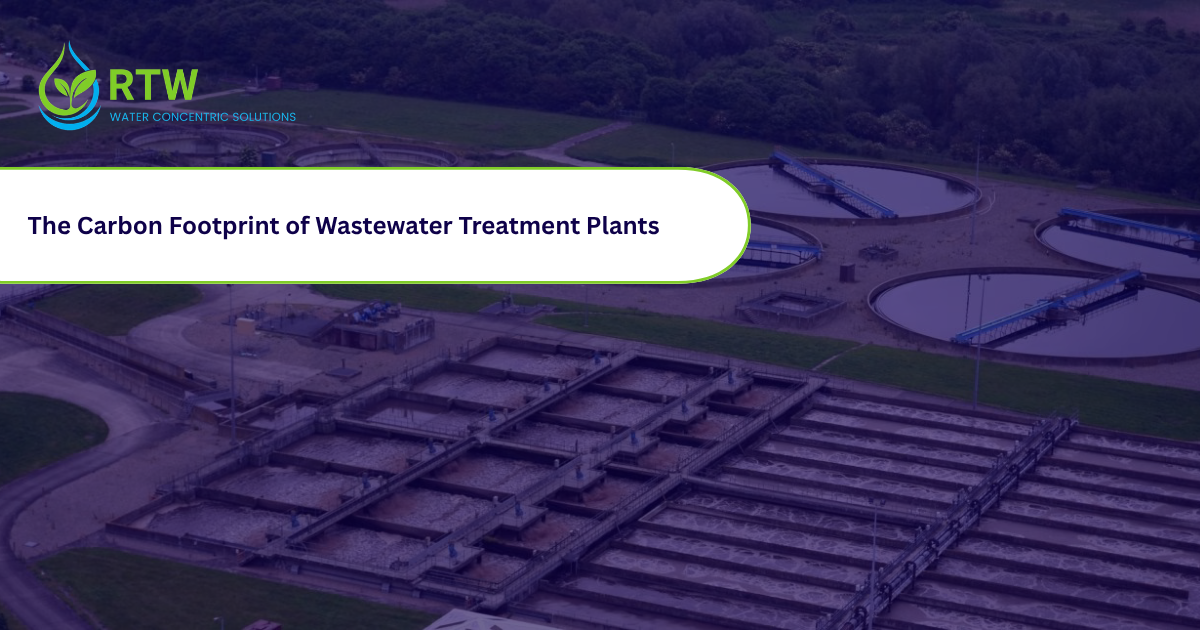
Wastewater treatment plants keep water safe for communities and industries. However, they also consume energy and release greenhouse gases during operation. This creates a carbon footprint that must be managed carefully.
As climate concerns grow, utilities are paying closer attention to emissions from treatment processes. Reducing this footprint helps protect the environment and lowers operational costs.
It also supports long-term sustainability goals. This article explains where emissions come from, how they are measured, and what steps can reduce them in modern wastewater treatment systems.
Sources of Greenhouse Gas Emissions
Wastewater treatment plants produce emissions from several stages of operation. These emissions mainly come from energy use and biological processes. Understanding these sources is the first step in reducing the overall environmental impact of treatment systems.
Energy Consumption
Electricity is used for pumping, aeration, mixing, and sludge handling. Aeration systems, in particular, consume large amounts of power. If electricity comes from fossil fuels, it increases the plant’s overall carbon output.
Methane Emissions
Methane is produced during the anaerobic breakdown of organic matter. Sludge digestion units can release methane if not properly controlled. This gas has a strong warming effect on the atmosphere.
Nitrous Oxide Emissions
Nitrous oxide forms during nitrogen removal processes. Even small amounts can have a large climate impact. Poor process control can increase these emissions significantly.
Measuring Carbon Footprint
Carbon tracking in wastewater plants requires structured methods to understand emissions clearly. Operators need a full view of energy use and gas output across processes. This helps identify problem areas and improve efficiency. Here are some key metrics used and the tools that support accurate carbon footprint measurement in daily operations.
Key Metrics
Carbon footprint is measured using greenhouse gas equivalents. This includes carbon dioxide, methane, and nitrous oxide. Each gas is converted into a common unit for comparison. Energy use per unit of treated water is also tracked.
Assessment Tools
Plants use software models and monitoring systems to calculate emissions. These tools help identify high-impact areas. Data collection is continuous to ensure accurate reporting and better decision-making.
Strategies to Reduce Carbon Footprint
Reducing emissions requires improvements in both design and operation. Plants are adopting multiple approaches to lower energy use and improve efficiency.
Energy Efficiency Improvements
Upgrading equipment, optimizing aeration, and improving pump performance can significantly reduce energy demand. Small changes in operation can lead to major savings over time.
Renewable Energy Integration
Some plants install solar panels or biogas systems. These systems reduce reliance on external power sources. They also help lower overall emissions from operations.
Process Optimization
Better control of biological treatment processes reduces unwanted gas formation. Adjusting oxygen levels and improving monitoring systems helps stabilize performance and reduce emissions.
Role of Digitalization and Automation
Digital systems are changing how wastewater plants manage performance. Sensors now track energy use, flow rates, and gas production in real time. This constant flow of data helps operators react quickly when something goes off track.
Automation systems adjust aeration levels, pump speeds, and mixing intensity without manual input. This reduces energy waste and improves process stability. Machine learning tools are also being introduced in some facilities. These tools study patterns and suggest better operating settings. Over time, they help reduce unnecessary power use and improve system balance.
Remote monitoring allows teams to manage multiple sites from one location, saving time and resources. Together, digitalization and automation reduce human error and improve control. They also support lower emissions by keeping systems efficient and stable throughout daily operations.
Regulatory and Sustainability Goals
Governments and environmental agencies are placing more focus on emissions from industrial operations, including wastewater treatment plants. Facilities are now required to track and report greenhouse gas outputs in many regions.
This includes carbon dioxide, methane, and nitrous oxide released during treatment processes. Sustainability goals are also shaping how plants are designed and operated. Many utilities aim to reduce emissions year by year while improving energy efficiency.
These targets encourage investment in cleaner technologies and better process control systems. In some areas, funding and incentives are available for plants that adopt low-carbon solutions.
This supports upgrades such as renewable energy use and improved sludge handling methods. As expectations grow, compliance is no longer enough. Plants are now expected to actively reduce their environmental impact while maintaining performance.
Conclusion
Wastewater treatment plants contribute to greenhouse gas emissions through energy use and biological processes. Reducing these emissions improves environmental performance and lowers costs. Modern strategies help control and minimize the carbon footprint effectively.
RT Water provides advanced wastewater solutions that reduce emissions, improve efficiency, and support sustainable treatment plant operations worldwide.
FAQs
What is the carbon footprint of a wastewater treatment plant?
It refers to the total greenhouse gas emissions produced during treatment processes, including energy use, sludge handling, and biological reactions within the system.
What causes most emissions in wastewater treatment?
Energy use for aeration and pumping is the largest source. Biological processes also produce methane and nitrous oxide, which contribute significantly to emissions.
How can wastewater plants reduce emissions?
Plants can reduce emissions by improving energy efficiency, using renewable energy, and optimizing biological treatment processes to minimize gas formation.
Why is nitrous oxide important in carbon footprint calculations?
Nitrous oxide has a very high global warming potential. Even small amounts can significantly increase the overall carbon footprint of a treatment plant.
Are wastewater plants regulated for emissions?
Yes, many regions require monitoring and reporting of greenhouse gas emissions. These regulations encourage plants to adopt cleaner and more efficient technologies.