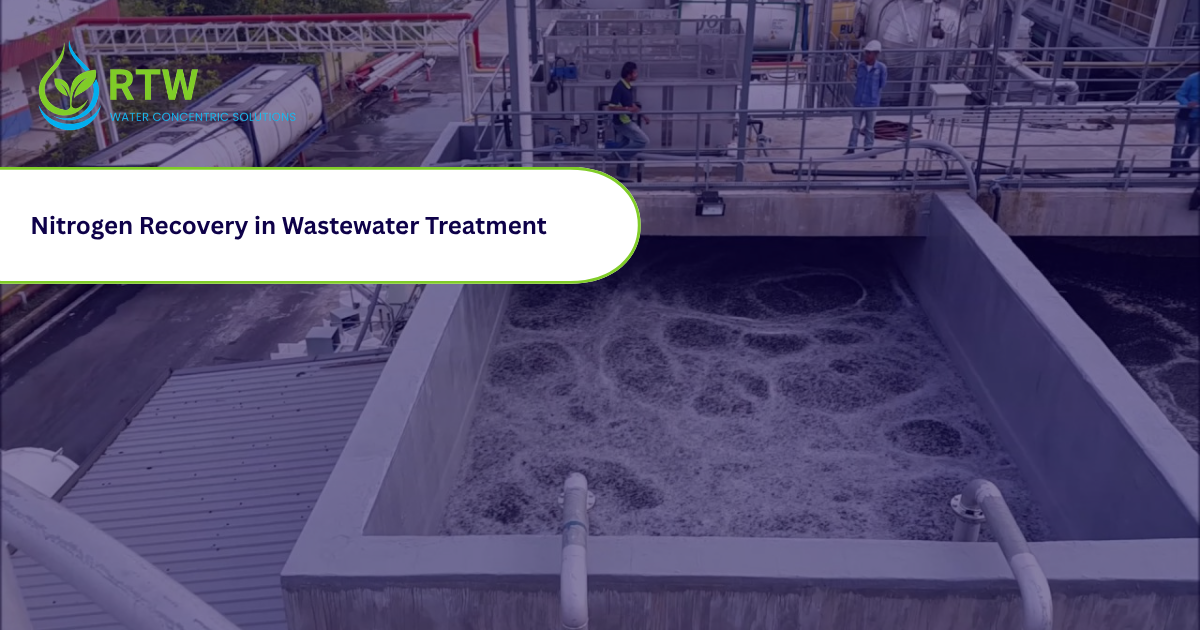
Wastewater carries many useful materials along with unwanted waste. One of the most important is nitrogen. In most treatment plants, nitrogen is removed to prevent pollution. Today, many systems also focus on recovering it for reuse. This shift supports resource efficiency and reduces dependency on synthetic fertilizers.
Nitrogen recovery helps close the loop between waste and reuse. It also lowers environmental pressure on rivers and soil. This article explains how nitrogen appears in wastewater, how it is recovered, and the technologies that make this process possible in modern treatment systems.
Importance of Nitrogen Recovery
Nitrogen recovery has become a key goal in modern wastewater management. Instead of only removing nitrogen, many plants now try to reuse it. This supports agriculture and reduces waste. It also helps cut costs linked to chemical fertilizer production. Recovery turns a pollutant into a useful resource.
It also reduces pressure on natural nitrogen cycles, which are already overloaded in many regions. Excess nitrogen in water bodies can lead to algal blooms and oxygen loss. By capturing nitrogen at the source, treatment plants help protect rivers and groundwater. This approach also supports long-term sustainability goals in urban and industrial systems.
Forms of Nitrogen in Wastewater
Wastewater contains nitrogen in different forms. Each form behaves differently during treatment and recovery. Understanding these forms helps operators decide the right process. Some are easier to capture, while others need conversion before reuse. Lets explain the main nitrogen types found in wastewater streams.
Ammonia
Ammonia is the most common form of nitrogen in wastewater. It comes from human waste, food residues, and industrial discharge. It is highly soluble and can cause water pollution if not treated properly.
Nitrates and Nitrites
Nitrates and nitrites form during biological treatment. They are more stable than ammonia but can still harm water quality. High levels can affect drinking water safety and aquatic life.
Conventional Nitrogen Removal vs Recovery
Traditional treatment systems focus on removing nitrogen completely. This is done through processes like nitrification and denitrification. While effective, these methods waste the nitrogen instead of reusing it.
Nitrogen recovery systems take a different approach. They capture nitrogen in usable forms. This shift reduces waste and improves resource efficiency in wastewater plants.
Technologies for Nitrogen Recovery
Several technologies are used to recover nitrogen from wastewater. Each method targets nitrogen in different forms and stages of treatment. Selection depends on plant design, wastewater type, and recovery goals.
Ammonia Stripping
Ammonia stripping removes nitrogen by raising pH and temperature. Ammonia gas is released and then captured. This recovered ammonia can be used in fertilizer production.
Struvite Precipitation
Struvite forms when magnesium, ammonium, and phosphate combine. This solid compound can be collected and used as a slow-release fertilizer. It also reduces scaling issues in pipes.
Membrane Technologies
Membranes separate nitrogen compounds from wastewater. They allow selective recovery of ammonia and other nitrogen forms. These systems offer high efficiency but require careful maintenance.
Benefits of Nitrogen Recovery
Nitrogen recovery offers several practical advantages for wastewater treatment plants and downstream industries. It helps reduce waste, improve efficiency, and support sustainable resource use.
Fertilizer Production
Recovered nitrogen can be converted into fertilizers. This reduces the need for synthetic alternatives. It also supports agricultural productivity.
Cost Savings
Recovering nitrogen reduces disposal costs. It also lowers chemical usage in treatment plants. Over time, this improves financial performance.
Reduced Environmental Pollution
Nitrogen recovery helps lower the amount of nitrogen released into rivers and soil. This reduces risks like water contamination and oxygen depletion in aquatic systems. Cleaner discharge supports healthier ecosystems and improves overall environmental balance around wastewater treatment sites.
Resource Circularity Support
Recovered nitrogen supports circular use of resources by turning waste into usable inputs again. Instead of being discarded, nitrogen returns to production cycles such as agriculture. This reduces dependency on raw material extraction and supports more efficient resource use across industries
Challenges and Limitations
Nitrogen recovery systems require advanced equipment. Installation and operation costs can be high. Process stability can also be affected by wastewater quality changes. Another challenge is market demand for recovered products. Without proper demand, recovered nitrogen may not be fully utilized.
Case Studies and Applications for Future Outlook
Many wastewater plants in Europe and Asia have started nitrogen recovery projects. These systems often combine anaerobic digestion with nutrient recovery units. Results show reduced operating costs and improved resource efficiency. Some facilities even sell recovered fertilizer products to local markets.
Nitrogen recovery is expected to grow as circular economy practices expand. New technologies aim to improve efficiency and reduce costs. Automation and digital monitoring will also help optimize recovery processes. Over time, nitrogen will shift from waste to a managed resource in most treatment systems.
Final Words
Nitrogen recovery in wastewater treatment turns waste into a valuable resource. It supports agriculture, reduces pollution, and improves plant efficiency. With advancing technologies, adoption is increasing across treatment facilities.
RT Water delivers advanced nitrogen recovery solutions that improve resource efficiency, reduce operational costs, and support sustainable wastewater treatment systems worldwide.
FAQs
What is nitrogen recovery in wastewater treatment?
Nitrogen recovery is the process of capturing nitrogen from wastewater and converting it into usable forms like fertilizer. Instead of removing it as waste, treatment plants reuse it for agricultural or industrial purposes.
Why is nitrogen important in wastewater?
Nitrogen is important because it affects water quality. If released untreated, it can cause pollution and harm aquatic life. Proper management prevents environmental damage and supports safe water systems.
What is struvite in nitrogen recovery?
Struvite is a solid compound formed from magnesium, ammonium, and phosphate. It is collected during treatment and used as a slow-release fertilizer, making it a valuable recovery product.
Is nitrogen recovery expensive?
Initial setup costs can be high due to advanced equipment. However, long-term savings from fertilizer production and reduced disposal costs often balance the investment over time.
Can all wastewater plants recover nitrogen?
Not all plants are equipped for nitrogen recovery. It depends on infrastructure, wastewater composition, and investment capacity. Many large and modern facilities are adopting these systems gradually.