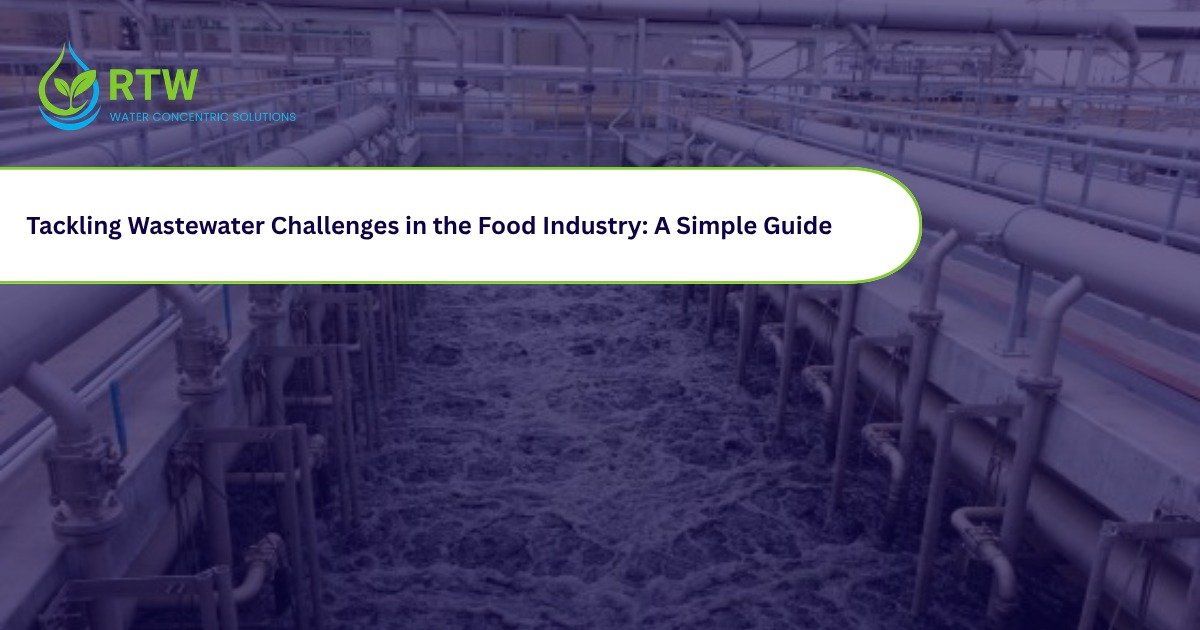
The food industry uses large amounts of water every single day. Water supports washing, cooking, cooling, cleaning, and processing operations. Once these activities finish, wastewater remains behind. That wastewater often contains oils, grease, sugars, chemicals, food particles, and organic matter. If treatment does not happen properly, environmental damage can follow quickly.
Many food manufacturers struggle with rising treatment costs and stricter environmental rules. Some facilities also deal with blocked drains, foul odors, and unstable discharge quality. These problems can slow operations and increase long-term expenses.
Good wastewater management keeps facilities efficient and environmentally responsible. Cleaner operations also improve public trust and support sustainable industrial growth.
The Core Challenges
Food processing facilities face wastewater problems that can quickly grow out of control. Production activities create polluted water streams with changing compositions throughout the day. Some operations generate high organic loads, while others consume excessive water. Environmental authorities also continue tightening discharge standards across industrial sectors.
High Organic Loads
Food wastewater usually carries heavy organic pollution. Sugars, starches, proteins, oils, and fats increase Biological Oxygen Demand levels rapidly. High organic content reduces oxygen levels in nearby water bodies if untreated discharge occurs.
Processing plants often experience sludge buildup and drainage issues because of these pollutants. Wastewater treatment systems must work continuously to maintain stable treatment performance. Without proper control, wastewater can become a ticking time bomb for industrial facilities.
Water Intensity
Food manufacturing requires large amounts of water during production and sanitation processes. Water supports equipment washing, ingredient preparation, cooling systems, and floor cleaning activities.
Excessive consumption creates two major problems. First, facilities pay higher operational costs. Second, wastewater volumes rise significantly. Older facilities sometimes waste water through leaking systems or inefficient cleaning practices. Small changes in operations can reduce water consumption more than expected.
Strict Discharge Standards
Environmental agencies closely monitor wastewater discharge from food processing plants. Facilities must control suspended solids, oils, chemicals, and organic matter before releasing treated water.
Failure to meet discharge limits can trigger penalties and operational disruptions. Companies may also face reputational damage after repeated violations. Strong treatment systems protect businesses from unnecessary compliance risks while supporting stable industrial operations.
Best Practices & Solutions
Wastewater problems cannot disappear overnight. Food manufacturers require practical treatment strategies that improve efficiency and reduce environmental impact. Strong wastewater management usually combines source control, pretreatment, biological systems, and resource recovery methods to create stable and reliable treatment performance.
Source Reduction
The best wastewater problem is the one that never enters the drain. Source reduction focuses on limiting pollution before treatment begins. Facilities can improve cleaning schedules, repair leaking valves, and reduce product losses during processing.
Dry cleaning methods before water washing also reduce wastewater strength. Small operational changes often create noticeable improvements in treatment performance and water consumption.
Pretreatment (DAF)
Dissolved Air Flotation systems remove fats, oils, grease, and suspended solids from wastewater streams. Tiny air bubbles attach to contaminants and push them to the surface for removal.
DAF systems reduce loading on downstream treatment units and improve wastewater quality before biological treatment begins. Food facilities commonly use this process because oily wastewater can easily overwhelm treatment systems if left untreated.
Biological Treatment
Biological treatment uses microorganisms to break down organic pollutants naturally. Aeration systems provide oxygen that supports microbial activity inside treatment tanks. This process reduces Biological Oxygen Demand and Chemical Oxygen Demand levels effectively.
Biological systems remain widely used across food manufacturing industries because they handle organic wastewater efficiently. Stable biological treatment also improves final discharge quality significantly.
Anaerobic Digestion (Waste-to-Energy)
Anaerobic digestion treats high-strength wastewater without oxygen. Microorganisms break down organic waste and produce biogas during the process. Biogas can support energy recovery applications within industrial facilities.
This method reduces sludge generation while improving wastewater stabilization. Many facilities use anaerobic digestion to lower operational costs and support sustainable wastewater management practices at the same time.
Actionable Next Steps
Improving wastewater performance begins with careful planning and operational awareness. Food manufacturers should focus on realistic improvements instead of temporary fixes. Reviewing regulations, studying water usage, and exploring recycling opportunities can strengthen wastewater operations while reducing long-term environmental and financial pressure.
Review Regulations
Environmental rules continue changing across industrial sectors. Food manufacturers should regularly review wastewater discharge requirements and compliance obligations.
Understanding local standards helps facilities avoid unnecessary penalties and operational delays. Regular compliance reviews also improve reporting accuracy and treatment planning. Strong awareness creates fewer surprises during inspections and environmental audits.
Audit Water Consumption
Water audits help facilities identify excessive consumption areas. Processing lines, sanitation activities, and cooling systems often use more water than expected.
Tracking consumption patterns helps businesses reduce waste and improve operational efficiency. Water audits also uncover hidden leaks and inefficient cleaning methods. Better awareness often leads to lower operational costs and reduced wastewater generation.
Explore Water Recycling
Water recycling allows facilities to reuse treated wastewater for non-potable applications. Recycled water can support cooling operations, cleaning activities, and utility systems.
Recycling reduces freshwater demand while supporting sustainability goals. Many facilities now treat wastewater as a reusable resource instead of simple industrial waste. Long-term recycling strategies improve both environmental and operational performance.
Conclusion
Food industry wastewater management affects operational stability, environmental protection, and long-term business performance. Strong treatment systems reduce pollution, improve compliance, and support efficient production processes. Facilities that invest in practical wastewater solutions position themselves for stronger sustainability performance and better operational control.
RT Water delivers advanced wastewater treatment solutions that help food manufacturers improve compliance, reduce environmental impact, and strengthen long-term operational efficiency.
FAQs
What causes high pollution levels in food industry wastewater?
Food processing wastewater contains oils, grease, sugars, proteins, and organic solids. These materials increase pollution levels and create treatment challenges for industrial facilities.
Why is wastewater treatment important in food manufacturing?
Wastewater treatment protects the environment, supports regulatory compliance, and prevents drainage problems. Proper treatment also improves operational efficiency and reduces long-term environmental risks.
What is the role of DAF systems in food wastewater treatment?
DAF systems remove oils, grease, and suspended solids from wastewater streams. This process improves pretreatment efficiency before biological treatment begins.
Can food industry wastewater be recycled?
Yes, treated wastewater can support cleaning, cooling, and utility operations. Recycling reduces freshwater demand and improves sustainability performance within industrial facilities.
What happens if wastewater discharge standards are ignored?
Facilities may face environmental penalties, operational disruptions, and reputational damage. Poor wastewater management can also harm nearby water bodies and drainage infrastructure.