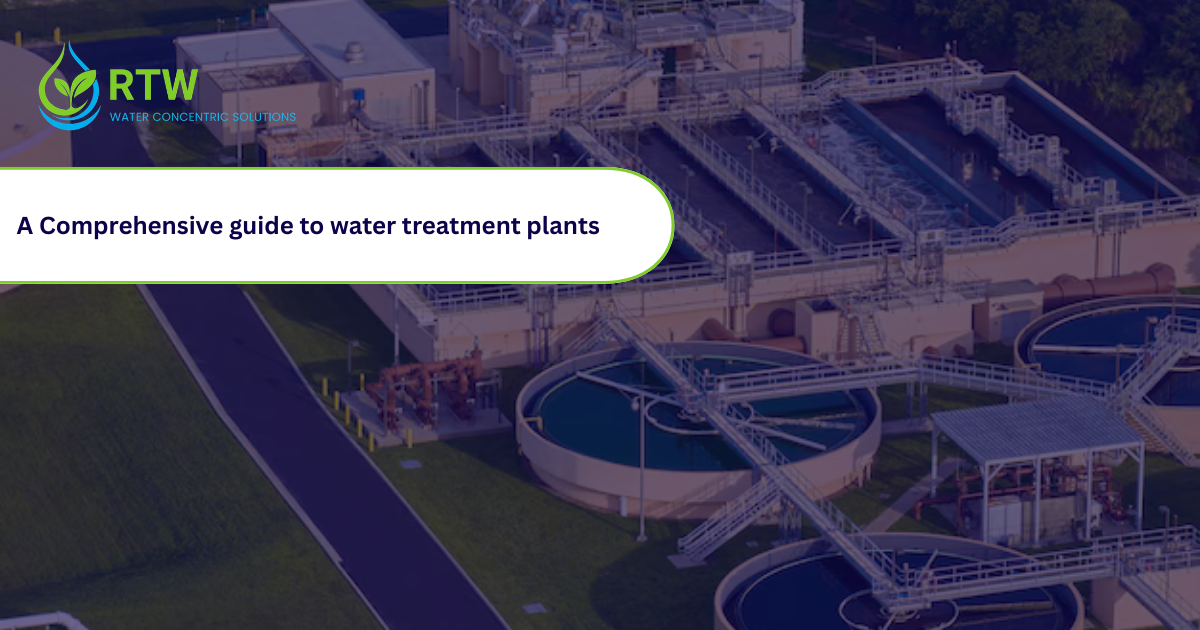
Clean water does not appear by chance. It passes through carefully planned systems that protect people, industries, and the environment. A water treatment plant removes impurities and prepares water for safe use. These systems support daily life in cities, farms, and factories.
In arid regions, treatment plants carry even more responsibility. Across the Middle East, especially in growing urban areas, reliable water treatment systems help manage limited water resources. From intake to final distribution, treatment plants follow clear stages that ensure water remains safe, usable, and consistent for every application.
Importance of Water Treatment
Water treatment supports health, protects ecosystems, and keeps industries operational. Without proper systems, water sources face contamination and overuse. Treatment plants act as guardians, ensuring water quality stays within safe limits. Let’s go over the reasons that show why treatment remains essential across residential, industrial, and agricultural sectors.
Health and Safety
Safe water prevents disease and protects communities. Treatment plants remove harmful microorganisms and unwanted substances. Clean water reduces illness risk and supports hygiene.
Hospitals, homes, and schools rely on treated water daily. A dependable water purification plant helps maintain public confidence and long-term health stability.
Environmental Protection
Untreated water damages rivers, soil, and marine life. Treatment plants limit pollutants before discharge or reuse. This process protects natural water bodies from overload. Sustainable systems help balance human use with environmental care. Responsible treatment plants reduce long-term ecological damage.
Industrial and Agricultural Benefits
Industries require consistent water quality for operations. Farms depend on clean water for crops and livestock. Treatment plants support productivity and prevent equipment damage. In regions like the Gulf, water treatment initiatives in the UAE help industries reuse water and manage scarce resources effectively.
How Does a Water Treatment Plant Work?
Every treatment plant follows a structured flow. Each step prepares water for the next stage. Together, these steps remove physical, chemical, and biological contaminants. Understanding this process explains how raw water becomes safe for use across different applications. Let’s go over it to give you a better idea.
Step 1 – Intake and Screening
Water enters the plant from rivers, wells, or storage reservoirs. Screens remove large debris such as leaves and plastics. This step protects downstream equipment from damage. Intake systems form the first defense line within a wastewater treatment plant or freshwater facility.
Step 2 – Coagulation and Flocculation
Chemicals are added to bind fine particles together. Small impurities form larger clusters called flocs. These clusters become easier to separate later. This step improves clarity and prepares water for settling.
Step 3 – Sedimentation
Water flows into settling tanks. Heavier flocs sink to the bottom naturally. Clearer water moves forward for further treatment. Sedimentation reduces the load on filtration systems and improves efficiency.
Step 4 – Filtration
Water passes through layers of sand, gravel, or membranes. Filters remove remaining particles and microorganisms. Filtration improves taste, clarity, and safety. Modern water treatment plants in Dubai facilities often use advanced filtration media.
Step 5 – Disinfection
Disinfection eliminates harmful microorganisms. Chlorine, ozone, or ultraviolet light are commonly used. This step ensures water meets safety standards. Disinfection protects users during storage and distribution.
Step 6 – Storage and Distribution
Treated water enters storage tanks. From there, it flows through pipelines to users. Pressure control ensures a steady supply. Distribution completes the treatment cycle and delivers safe water where needed.
Stages of Water Purification Explained
Purification uses multiple processes working together. Each stage addresses specific impurities. These stages ensure water meets required quality levels for drinking, industry, or reuse.
Physical Processes
Physical processes remove visible particles. Screening, settling, and filtration fall under this category. These steps form the backbone of every water purification plant. They reduce turbidity and prepare water for chemical treatment.
Chemical Processes
Chemical processes adjust water composition. Coagulation and disinfection belong here. Chemicals neutralize harmful substances and improve safety. This stage ensures water meets regulatory standards.
Biological Processes
Biological processes use microorganisms to break down organic matter. These processes appear more often in a wastewater treatment plant. Biological treatment helps manage organic pollution before discharge or reuse.
Wrapping Up
Water treatment plants quietly support daily life. They protect health, preserve the environment, and sustain industries. As populations grow, treatment systems become even more critical. Reliable water treatment plants in the UAE infrastructure help balance demand with limited resources while ensuring safe water access.
It is safe to say that Water treatment plants form the backbone of safe water systems. They protect health, support growth, and preserve resources. Strong treatment infrastructure ensures water remains available today and tomorrow.
RT Water delivers engineered water and wastewater treatment solutions across the region, supporting reliable operations, compliance, and sustainable water management.
FAQs
What is the main purpose of a water treatment plant?
A water treatment plant removes impurities and prepares water for safe use across residential, industrial, and agricultural applications.
How does wastewater treatment differ from drinking water treatment?
Wastewater treatment focuses on removing contaminants before reuse or discharge, while drinking water treatment prepares water for human consumption.
Why are water treatment plants important in the UAE?
Limited freshwater resources make water treatment systems in the UAE essential for reuse, conservation, and sustainable supply.
Can treated water be reused safely?
Yes, treated water can support irrigation, cooling, and industrial processes when properly managed and monitored.
Do treatment plants operate continuously?
Most treatment plants operate around the clock to maintain a consistent water supply and quality.