Electrocoagulation (EC) System
- Electrocoagulation (EC)
Electrocoagulation Systems by RTW
Industrial wastewater streams frequently contain finely dispersed solids, emulsified oils, heavy metals, and persistent contaminants that remain difficult to treat through conventional chemical dosing alone.
RTW delivers engineered electrocoagulation systems that provide controlled, consistent contaminant destabilization using electrochemical principles, supporting reliable separation and long-term treatment performance.
RTW electrocoagulation systems are supplied as complete treatment units or integrated into larger wastewater treatment plants, addressing industrial requirements across the Middle East.
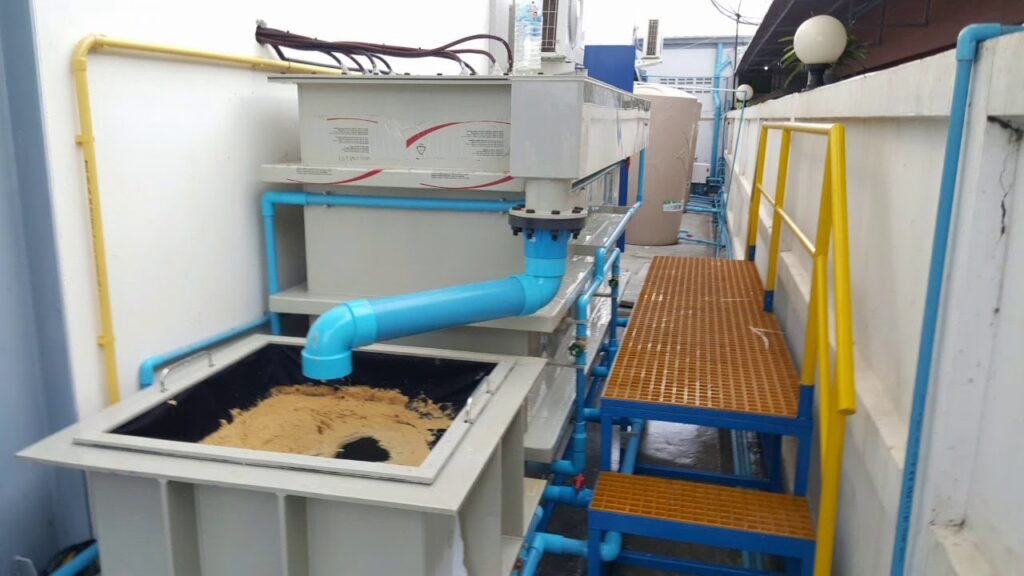
RTW Electrocoagulation System Overview
RTW electrocoagulation systems are designed to generate coagulant species directly within the wastewater stream using electrically energized electrodes. This approach reduces chemical dependency while improving treatment consistency for complex and variable industrial effluents. Here is how RTW structures electrocoagulation systems for dependable industrial operation.
System Configuration and Modular Layout
RTW systems are configured to match flow rate, contaminant load, and available footprint. Modular construction allows installation flexibility, phased capacity expansion, and integration within existing treatment infrastructure.
Electrical and Process Control Architecture
Each system includes controlled power supply units, current regulation, and monitoring interfaces. Electrical input is adjusted to maintain consistent treatment performance under changing influent conditions.
Adaptation to Industrial Wastewater Profiles
RTW designs electrocoagulation systems for effluents containing oils, dyes, surfactants, metals, and fine colloidal matter commonly generated by industrial processes.
Electrochemical Treatment Mechanism
Electrocoagulation operates through electrochemical reactions that generate active coagulant species and separation-supporting gases directly within the wastewater. RTW systems are engineered to control these reactions for stable and predictable treatment outcomes. Let’s explain how RTW manages electrochemical processes within operational environments.
Bubble Generation and Separation Enhancement
Electrolysis produces fine hydrogen and oxygen bubbles. These bubbles attach to aggregated particles, supporting flotation and improving the removal of low-density solids, oils, and greases.
Reaction Control Under Variable Loads
RTW systems regulate current density and electrode exposure time to match influent variability, ensuring treatment stability without excessive energy consumption.
RTW Electrode Design and Longevity Strategy
Electrode performance directly influences electrocoagulation efficiency and operating cost. RTW systems are designed with electrode materials and arrangements selected for durability, consistency, and predictable replacement intervals.
Electrode Material Selection
RTW selects electrode materials based on wastewater chemistry, conductivity, and target contaminants. Material selection supports consistent ion release and minimizes premature degradation.
Arrangement and Spacing Optimization
Electrode spacing and orientation are engineered to promote uniform electrical fields and hydraulic flow, reducing dead zones and uneven treatment within the reactor chamber.
Maintenance Accessibility and Replacement Planning
System layouts allow straightforward electrode inspection and replacement, minimizing downtime and supporting long-term operational continuity.
Key System Capabilities Delivered by RTW Electrocoagulation
RTW electrocoagulation systems are configured to address multiple operational and treatment requirements within a single treatment stage. The following capabilities reflect how RTW systems support industrial wastewater treatment objectives across varied operating conditions:
Effective destabilization of finely suspended and colloidal particles
Separation support for emulsified oils and low-density contaminants
Reduction of heavy metals without external chemical dependency
Stable performance under fluctuating flow and contaminant loads
Compact system layout suitable for space-constrained facilities
Lower chemical storage and handling requirements on-site
Compatibility with clarification, flotation, and membrane processes
Automation-ready operation with adjustable electrical control
Reduced sludge volume compared to conventional chemical dosing
Adaptability for integration within complete RTW treatment plants
Compliance Support and Effluent Quality Control
Electrocoagulation plays a critical role in achieving discharge and reuse standards across industrial sectors. RTW systems are designed to support regulatory compliance through stable and repeatable treatment performance. The following compliance-related factors guide RTW system design.
Control of Suspended Solids and Turbidity
Consistent destabilization and removal of fine particulates support compliance with turbidity and suspended solids limits under variable operating conditions.
Reduction of Metals and Emulsified Oils
RTW electrocoagulation systems effectively address heavy metals and emulsified oils that challenge conventional treatment processes and regulatory thresholds.
Alignment With Regional Environmental Requirements
System configurations consider regional discharge and reuse standards common across Middle East jurisdictions, supporting long-term compliance.
Why Industries Choose RTW for Electrocoagulation Systems
RTW combines engineering capability, regional experience, and system integration expertise to deliver electrocoagulation solutions suited for demanding industrial environments. Clients rely on RTW for predictable performance and long-term operational confidence.
Proven Industrial Application Experience
RTW electrocoagulation systems operate across diverse industrial sectors, addressing complex wastewater profiles and challenging site conditions.
Integrated Engineering and Execution
Systems are designed to align with upstream and downstream treatment units, ensuring coherent plant-wide performance rather than isolated treatment outcomes.
Long-Term Reliability Focus
RTW prioritizes component durability, operational clarity, and maintainability, supporting consistent performance beyond initial commissioning.
Contact RTW to discuss electrocoagulation systems engineered for industrial reliability, treatment consistency, and long-term wastewater management performance.