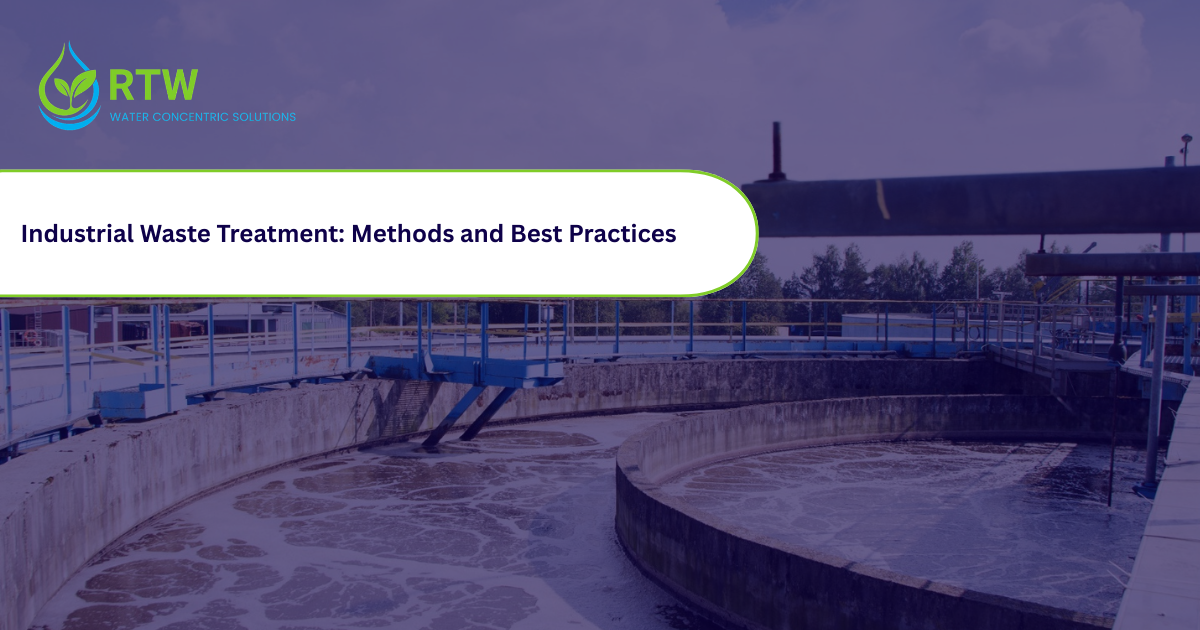
Factories keep the modern world running. However, they also leave behind waste that cannot be ignored. Liquids, solids, and residues can damage water sources if handled carelessly. That is why Industrial waste treatment has become a daily responsibility rather than a future goal.
Businesses now face pressure from regulators, communities, and rising costs. Smart planning helps prevent trouble before it starts. Companies can manage waste responsibly while keeping operations efficient with clear methods and steady habits.
This guide explains practical treatment methods and proven practices that work on the ground, not just on paper. It will ensure that you continue to run your operations smoothly while building a sustainable and ever-normally friendly process for dealing with wastewater treatment.
Methods of Industrial Waste Treatment
Industrial waste comes in many forms, so no single solution fits every situation. Treatment methods focus on reducing harm, stabilizing waste, and preparing it for reuse or safe disposal. Choosing the right approach depends on waste type, volume, and discharge rules. The methods below form the foundation of effective treatment programs across industries.
Physical/Mechanical Treatment
Physical treatment removes waste using force rather than chemicals or biology. Screens, filters, and separators trap solids before they spread further. Sedimentation tanks allow heavy particles to settle naturally. This step reduces load on later systems and improves overall plant stability.
Chemical Treatment
Chemical treatment uses reactions to change the waste’s behavior. Coagulants bind fine particles together for easier removal. Neutralization adjusts pH levels to safer ranges. Oxidation breaks down harmful compounds. This method works well for complex effluents that resist simple separation.
Biological Treatment
Biological treatment relies on microorganisms that consume organic waste. Bacteria convert pollutants into simpler substances. Aerobic systems use oxygen, while anaerobic systems operate without it. This approach suits food, beverage, and pharmaceutical waste streams with high organic content.
Thermal Treatment
Thermal treatment applies heat to reduce or destroy waste. High temperatures break down hazardous components. Volume decreases sharply after processing. This method demands careful control and energy planning, but it helps manage difficult waste that resists other treatments.
Landfilling
Landfilling is a controlled disposal method for treated waste residues. Materials are stabilized before placement to reduce environmental impact. Liners and monitoring systems protect soil and groundwater. While not ideal alone, landfilling remains part of many regulated treatment strategies.
Best Practices for Industrial Waste Management
Treatment systems work best when paired with strong daily practices. Managing waste properly reduces risk, saves money, and improves compliance. These best practices help businesses control waste at every stage, from the production floor to final discharge.
Source Reduction & Lean Manufacturing
Reducing waste at the source saves effort later. Efficient processes generate fewer byproducts. Lean production limits excess materials and water use. Small process changes often bring large reductions in treatment demand.
Waste Segregation
Separating waste streams improves treatment efficiency. Mixing incompatible wastes raises costs and risks. Clear labeling and staff training help maintain separation. Clean segregation supports safer handling and better treatment results.
The 3Rs Approach (Reduce, Reuse, Recycle)
Reducing waste lowers treatment volume. Reusing water cuts fresh intake. Recycling recovers valuable materials. Together, the 3Rs form a practical mindset that supports long-term sustainability without disrupting production.
Safe Storage and Transport
Improper storage creates spills and safety hazards. Secure containers prevent leaks. Clear transport procedures reduce accidents. Good handling protects workers and avoids costly cleanup efforts.
Key Considerations To Keep in Mind
Every treatment plan must balance performance, cost, and compliance. Ignoring one factor creates problems elsewhere. These considerations help decision-makers maintain control over waste systems while planning for future growth.
Compliance
Regulations define discharge limits and reporting duties. Staying compliant avoids penalties and shutdowns. Regular monitoring supports transparency. Clear records protect businesses during inspections and audits.
Energy Recovery
Some waste streams contain recoverable energy. Biogas production reduces fuel use. Heat recovery lowers operating costs. Energy recovery adds value while reducing environmental burden.
Wastewater Treatment
Wastewater requires focused attention due to its volume and mobility. Strong industrial wastewater management programs prevent contamination of natural water bodies. Treatment protects ecosystems and supports reuse initiatives.
Takeaway
Industrial waste does not have to be a burden. With clear methods and disciplined habits, businesses can control risks and improve efficiency. Strong Industrial waste treatment systems protect water, people, and long-term operations.
Industrial waste handling shapes how businesses are judged by regulators and communities. Clear systems, steady practices, and responsible planning reduce risk and improve performance. Smart treatment protects water while supporting growth and operational confidence.
RT Water delivers proven industrial waste and wastewater treatment solutions designed for compliance, efficiency, and long-term sustainability across diverse industrial sectors.
FAQs
Why is industrial waste treatment important for factories?
Industrial waste treatment prevents environmental damage, supports compliance, and reduces operational risks while protecting nearby communities and water resources.
Which treatment method works best for all industries?
No single method fits every industry. Treatment depends on waste type, volume, and regulatory limits.
How does wastewater differ from other industrial waste?
Wastewater spreads quickly and carries dissolved pollutants, requiring dedicated treatment and continuous monitoring.
Can treated industrial water be reused?
Yes, treated water can often be reused for cooling, cleaning, or process operations after proper treatment.
What happens if waste is not treated correctly?
Poor treatment can cause fines, shutdowns, environmental damage, and long-term reputational harm.