Industrial Waste Water Treatment in Doha
- Industrial Waste Water Treatment in Doha
Industrial Waste Water Treatment in Doha
The effective management of industrial wastewater is essential for maintaining environmental stability, operational continuity, and legal compliance. In Doha, this requirement is elevated by strict national regulations and a growing emphasis on sustainability.
Rethinking Water (RTW) delivers advanced treatment systems for industrial facilities operating in sectors such as petrochemicals, food processing, manufacturing, and metallurgy.
Our solutions are based on proven engineering practices and years of regional field experience. As one of the leading wastewater treatment companies in Doha, we design and commission treatment plants that meet local discharge standards while optimizing water reuse.
Each system is developed through a structured approach, guided by both technical criteria and practical on-site requirements.
Industrial Waste Water Treatment Processes
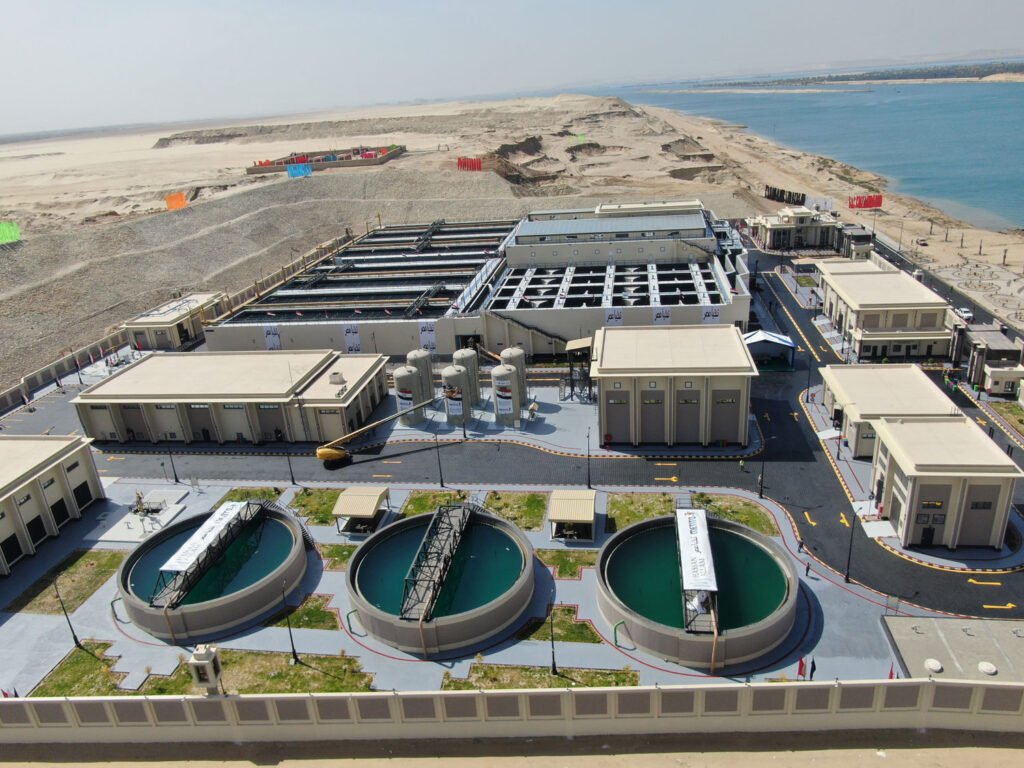
Industrial wastewater streams vary widely in strength, composition, and flow. RTW applies structured methodologies that include physical, biological, and chemical processes, selected according to the specific pollutants present. This multi-step approach ensures efficient and complete treatment from primary separation through to final discharge or reuse.
Biological Processes
The biological stage is structured to address organic pollutants such as nitrogen, phosphorus, oil, and biodegradable compounds. These materials are decomposed by microbial activity, converting them into stable gases and sediment.
This step is critical to lowering chemical oxygen demand (COD) and achieving compliance with discharge permits. The primary wastewater treatment objective here is to stabilize organic content for safe disposal or reuse.
Physical Processes
Initial phases of treatment focus on removing suspended solids through mechanical techniques. These may include screening, flotation, sedimentation, and filtration.
The purpose of this step is to isolate larger particulates and oil-based contaminants, minimizing the burden on downstream biological and chemical stages. Physical removal processes are fundamental to every industrial wastewater treatment plant.
Chemical Processes
Wastewater with high levels of toxic or non-biodegradable substances requires specialized chemical treatment. Processes such as coagulation, flocculation, oxidation, and pH adjustment are applied to destabilize hazardous compounds.
Chemical dosing is carefully calculated to ensure process safety, system compatibility, and complete pollutant removal. This stage is essential in facilities where biological processes are insufficient on their own.
Reasons to Treat Industrial Wastewater in Doha
Industries operating in Doha are required to maintain strict control over their liquid effluents. Treatment is not optional as it is a regulatory and environmental necessity. RTW provides structured solutions that help industries meet these obligations with confidence and long-term consistency.
Protects surface and groundwater resources from chemical and organic contamination
Supports compliance with national environmental regulations and discharge limits
Enables water recycling and internal reuse across production processes
Prevents damage to soil, infrastructure, and nearby ecosystems
Enhances operational safety by eliminating uncontrolled wastewater discharges
Supports long-term environmental goals aligned with regulatory frameworks
Primary Stage: Preparing Wastewater for Treatment in Doha
Before any biological or chemical processes take place, wastewater must be conditioned through a series of targeted steps. Primary treatment performs this role by extracting suspended matter and abrasive grit early in the flow, helping safeguard the operational lifespan and efficiency of downstream systems.
Removal of Coarse and Fine Solids
Wastewater often carries physical debris from industrial, commercial, or municipal sources. Screening mechanisms are the first line of action. These systems use coarse bars, fine mesh, and advanced micro screens to trap materials ranging from large trash to fine paper fibers. Debris removal prevents equipment blockages and performance losses.
Inorganic Separation via Grit Chambers
Heavier, inorganic particles such as sand, silt, and ceramic fragments are targeted next. These are not biodegradable but are physically damaging. Using gravity and controlled flow, grit chambers allow these materials to settle out. Vortex, aerated, or horizontal-flow configurations are chosen based on hydraulic load and design specifications.
Sedimentation in Clarifiers
The core of primary treatment lies in sedimentation. Clarifiers hold water long enough for gravity to separate suspended solids. Sludge settles at the bottom; floatables like fats rise to the top. Mechanical arms and skimmers continuously extract these layers to keep the system running efficiently.
Chemical Conditioning When Necessary
Some systems use chemical assistance to improve performance. Coagulants help destabilize fine particles, and flocculants bring them together into larger clusters. These flocs settle more effectively, boosting pollutant removal and reducing the burden on secondary stages.
RTW's Compliance with Qatar’s Future Plan
RTW’s wastewater solutions align with the objectives of Qatar, which include water sustainability, industrial growth, and environmental conservation. As one of the trusted wastewater treatment companies, our work contributes directly to improving water efficiency across multiple industrial sectors in Doha.
We develop treatment infrastructure that reduces reliance on freshwater supplies while maintaining compliance with Qatari environmental regulations. Our planning and execution models are developed to meet the criteria outlined in both regional policies and global best practices. By incorporating technologies that support internal recycling and zero liquid discharge strategies, RTW remains one of the forward-focused wastewater treatment solutions providing companies operating in Qatar.
Our team also ensures alignment with performance monitoring protocols and reporting structures required under Qatari regulations. This includes documentation support, testing protocols, and full integration with operational frameworks.
Advanced Treatment Technologies We Use
RTW designs each treatment solution based on site conditions, water quality, and industry-specific discharge requirements. Our systems integrate modern technologies capable of handling high-strength effluents with reliability and consistency. These technologies are proven, scalable, and compliant with Qatar’s industrial regulations.
Biological Treatment
A process that uses naturally occurring microorganisms to reduce BOD and COD levels. Applied in systems treating biodegradable organic pollutants.
Electrocoagulation (EC)
An electrochemical process used for separating metals, oils, and suspended particles. Ideal for pre-treatment and high-turbidity wastewater.
Electro-Oxidation (EO)
An advanced treatment step used to degrade persistent organic compounds through controlled oxidation reactions. Effective in treating toxic industrial wastewater.
Membrane Bioreactors (MBR)
Combines biological processes with ultrafiltration. Produces high-quality effluent suitable for non-potable reuse or discharge into sensitive environments.
Reverse Osmosis (RO)
Removes dissolved salts, metals, and other residuals using pressure-driven membrane separation. Final step in polishing and water recovery processes.