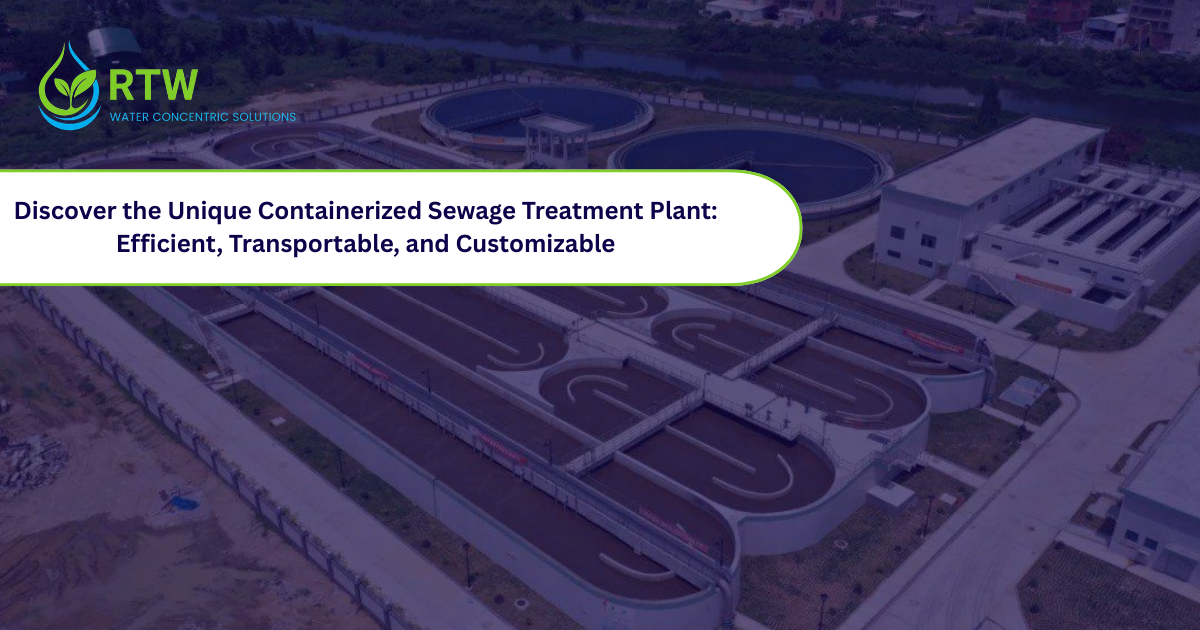
Managing sewage effectively remains a pressing concern for growing cities, remote developments, and industrial facilities. Traditional treatment systems often demand large land areas, long construction timelines, and heavy civil work. This is where modern solutions step in.
Containerized sewage treatment systems offer a compact and practical answer to wastewater challenges. These systems combine efficiency with flexibility while maintaining compliance with discharge standards.
Built within shipping containers, they arrive ready for use and perform consistently across locations. containerized solutions help treat sewage without delays, confusion, or infrastructure stress. Continue reading to learn more about it.
What is a Containerized Sewage Treatment Plant?
A containerized sewage treatment plant is a fully assembled wastewater treatment system housed inside a standard container. It includes biological treatment units, filtration systems, control panels, and piping. Everything is pre-installed and factory-tested. Once delivered, the system only requires basic connections to start operating.
These plants treat domestic sewage from residential, commercial, or industrial sources. Their compact structure allows easy placement even in space-limited environments. Operators benefit from controlled conditions, predictable performance, and simplified maintenance routines.
Benefits of Containerized Systems
Containerized systems bring together mobility, speed, and performance in one integrated package. They remove the delays associated with construction-heavy plants. These systems work well in varied climates and operating conditions. Their design supports consistent treatment quality while allowing easier scaling and relocation.
Quick Installation
A containerized water treatment plant arrives fully assembled, reducing installation time significantly. There is no need for long construction schedules or extensive site preparation.
Once utility connections are complete, the system becomes operational. This speed benefits projects with tight deadlines and urgent sanitation needs. Faster commissioning also reduces downtime and operational risks.
Minimal Civil Work
Traditional plants demand foundations, tanks, and concrete structures. Containerized systems avoid this burden. Minimal groundwork is required, which lowers project costs and reduces environmental disturbance.
This advantage suits locations with soil restrictions or limited construction access. Fewer civil activities also shorten approval timelines and simplify project planning.
Portability
Portability defines the strength of containerized sewage treatment solutions. These systems can be relocated when project needs change. Temporary housing, construction camps, and disaster recovery sites benefit greatly.
The container format allows easy transportation using standard logistics. This flexibility protects investment value and supports changing operational demands.
When to Use a Containerized Sewage Treatment Plant
Containerized treatment plants work best where flexibility, speed, and limited space matter. They serve locations where conventional systems become impractical. Their modular nature allows deployment without disrupting surrounding activities or infrastructure.
Temporary Projects
Construction camps, events, and short-term housing require reliable wastewater solutions. Containerized systems meet this demand without permanent installation. After project completion, the unit can be moved to a new site. This reuse lowers long-term costs and avoids abandoned infrastructure issues.
Small to Medium-Scale Residential Developments
Housing projects with limited land benefit from compact treatment solutions. A containerized sewage treatment plant fits neatly within service areas. It provides consistent effluent quality for reuse or safe discharge. Developers gain compliance without sacrificing valuable land or facing construction delays.
Industrial Facilities in Remote Locations
Remote industrial sites often lack sewer connections. Containerized plants solve this challenge efficiently. They operate independently and handle varying load conditions. Their enclosed design protects equipment from harsh weather. Maintenance remains manageable due to centralized components and monitoring systems.
Key Comparison: Containerized vs Conventional Sewage Treatment Plants
Choosing the right treatment system depends on project needs, timelines, and site constraints. Containerized systems differ significantly from conventional plants in several practical areas. Understanding these differences helps decision-makers select the right approach.
Installation Time
Conventional plants require months of construction. Containerized systems are installed within weeks. This speed supports urgent sanitation requirements. Faster setup also reduces labor costs and site disruption. Projects move forward without long waiting periods.
Space Requirements
Traditional plants demand large footprints. Containerized plants occupy minimal space. Their vertical and compact design suits urban or restricted sites. This efficiency allows better land utilization and improved site planning.
Cost
Containerized systems offer predictable upfront costs. There are fewer surprises related to construction changes. Reduced civil work lowers capital expenses. Long-term operational costs also remain stable due to standardized components and controlled conditions.
Flexibility
Flexibility sets containerized plants apart. Capacity upgrades are possible by adding modules. Systems can be relocated as project needs change. Conventional plants lack this adaptability once built. Containerized units protect investment value through reuse.
Maintenance
Maintenance becomes easier within a containerized environment. Equipment remains accessible and protected. Monitoring systems allow quick fault detection. Downtime stays minimal due to standardized parts. Operators benefit from simplified service routines.
Regulatory Compliance
Containerized plants are designed to meet discharge standards consistently. Factory testing ensures process reliability. Documentation and controls support regulatory inspections. Compliance remains easier due to predictable performance and monitoring capabilities.
Final Thoughts
It is safe to say that Containerized sewage treatment plants represent a practical shift in wastewater management. They offer speed, flexibility, and consistent performance without heavy construction demands.
Their compact design supports diverse applications while maintaining treatment quality. As projects evolve and space becomes limited, containerized solutions continue to deliver reliable sanitation outcomes.
RT Water delivers advanced containerized sewage treatment plant solutions that support fast deployment, regulatory compliance, and long-term operational stability.
FAQs
What makes containerized sewage treatment different from traditional systems?
Containerized systems arrive pre-assembled and require minimal construction. They install faster and occupy less space while delivering consistent treatment performance.
Are containerized treatment plants suitable for permanent use?
Yes, they are designed for both temporary and long-term operation. Many facilities use them as permanent wastewater treatment solutions.
How much maintenance do containerized plants require?
Maintenance remains straightforward due to centralized equipment and monitoring systems. Routine checks keep performance stable and downtime minimal.
Can containerized systems handle fluctuating wastewater loads?
These systems are built to manage varying flow conditions. Modular designs allow capacity adjustments when operational needs change.
Do containerized sewage treatment plants meet discharge regulations?
They are engineered to comply with regulatory standards. Factory testing and monitoring ensure reliable effluent quality across operating conditions.