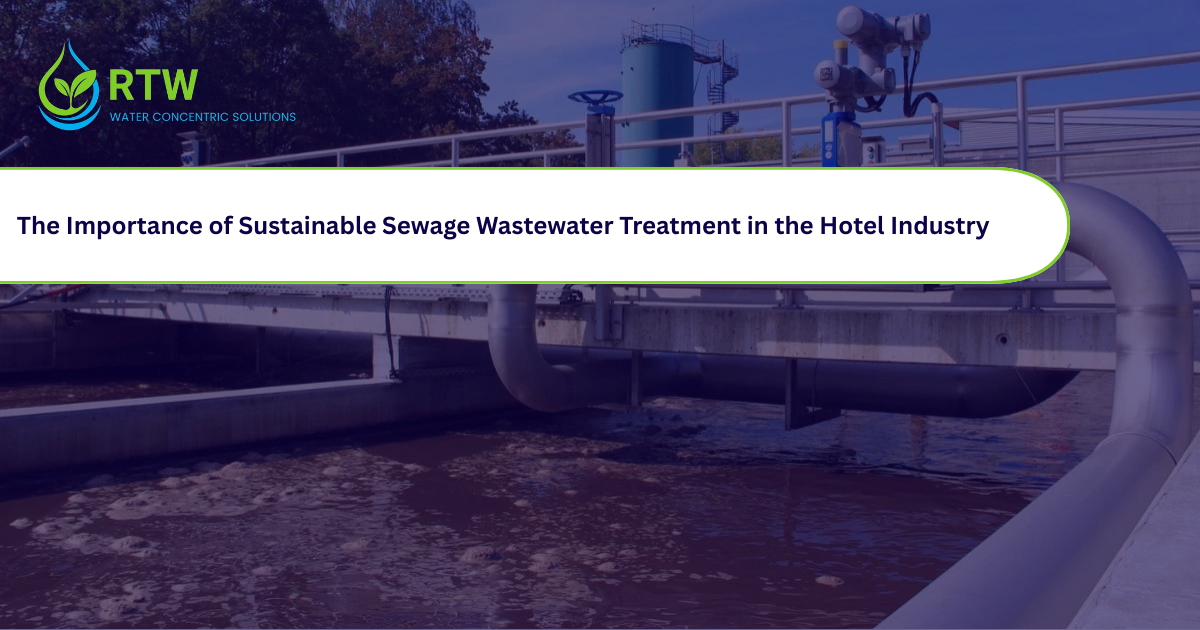
Hotels use large amounts of water every single day. Guests shower, laundry runs nonstop, kitchens operate for hours, and pools require maintenance. All this activity produces significant volumes of hotel wastewater.
If not treated properly, it can harm the environment and damage a hotel’s reputation. Sustainable sewage treatment is no longer optional for modern hospitality businesses. It protects natural resources and keeps operations running smoothly.
Effective hotel water treatment also lowers long-term costs and ensures compliance with regulations. For hotels aiming to operate responsibly, investing in reliable wastewater treatment for the hospitality industry has become a smart and necessary decision.
Key Reasons for Sustainable Wastewater Treatment in Hotels
Sustainable wastewater management helps hotels maintain smooth operations and avoid unnecessary risks. It protects the environment and keeps regulatory authorities satisfied. It also reduces costs over time. Here are some reasons why hotels must prioritize efficient sewage treatment systems.
Regulatory Compliance & Risk Management
Government authorities enforce strict discharge limits for hotel wastewater. Failing to meet these standards can lead to heavy fines or shutdown notices. Sustainable systems help hotels remain compliant at all times. Consistent monitoring reduces legal risks and ensures smooth inspections. Compliance also prevents operational interruptions that could affect guests and revenue.
Environmental Protection & Sustainability
Untreated wastewater can pollute rivers, soil, and groundwater. Hotels operating near beaches or tourist zones must be extra careful. Sustainable hotel water treatment reduces pollutants before discharge. It protects marine life and preserves natural beauty. Responsible wastewater practices also support long-term environmental stability and water conservation efforts.
Cost Efficiency & Resource Management
Water bills and energy costs continue to rise. Sustainable wastewater treatment for the hospitality industry allows hotels to recycle treated water for landscaping or flushing. This reduces freshwater demand. Efficient systems also lower sludge disposal costs. Over time, savings add up and improve overall profitability.
Enhanced Guest Experience & Brand Reputation
Modern guests pay attention to sustainability practices. They prefer hotels that show environmental responsibility. Proper treatment of hotel wastewater prevents foul odors and hygiene issues. Clean surroundings improve guest satisfaction. A strong environmental commitment strengthens brand image and attracts eco-conscious travelers.
Advanced Technology Options
Technology has improved wastewater systems significantly. Compact treatment plants now fit within hotel premises. Automated controls ensure steady performance. Advanced biological and membrane systems improve effluent quality. These innovations make sustainable treatment easier to manage and maintain.
Working of Sewage Water Treatment Plant
Understanding how sewage treatment works helps hotel operators make better decisions. Each stage removes specific pollutants from wastewater. Biological and mechanical processes work together to achieve safe discharge standards. Below are the core treatment technologies commonly used in hotel systems.
Aeration
Aeration introduces oxygen into wastewater. This supports the growth of beneficial bacteria. These bacteria break down organic waste efficiently. Aeration reduces odor and improves treatment performance. It forms the foundation of many biological treatment systems used in hotels.
Moving Bed Bioreactor (MBBR)
MBBR technology uses plastic media carriers inside aeration tanks. These carriers provide surface area for bacterial growth. The bacteria digest organic pollutants in hotel wastewater. MBBR systems require less space and deliver stable performance. Many hotels prefer this system for its reliability.
Membrane Process
Membrane systems filter treated water through fine barriers. They remove suspended solids and microorganisms effectively. This produces high-quality treated water suitable for reuse. Membrane technology supports advanced hotel water treatment goals and helps reduce freshwater consumption.
Sequential Batch Reactor
This process treats wastewater in timed cycles. Each cycle includes filling, aeration, settling, and discharge stages. Sequential Batch Reactors provide strong treatment efficiency within compact spaces. They are ideal for hotels with variable wastewater loads.
Submerged Aerated Fixed Film
This system combines aeration with fixed media surfaces. Bacteria attach to media and break down pollutants. The design supports stable treatment even during fluctuating flows. It remains a dependable option for wastewater treatment for the hospitality industry.
Stages involved in a sewage water treatment plant in a hotel
Every sewage treatment plant follows a structured sequence. Each stage removes specific contaminants from wastewater. The process ensures treated water meets environmental discharge standards. Understanding these stages helps hotels maintain efficient plant performance.
Preliminary Process
The preliminary stage removes large solids and debris. Screens and grit chambers capture plastics, paper, and sand. This protects downstream equipment from damage. Removing large waste improves overall system efficiency and reduces maintenance problems.
Primary Treatment
Primary treatment allows wastewater to settle in tanks. Heavy solids sink to the bottom while lighter materials float. These solids are removed as sludge. This stage reduces suspended particles and prepares wastewater for biological treatment.
Secondary Treatment
Secondary treatment uses biological processes to break down dissolved organic matter. Bacteria consume pollutants present in hotel wastewater. Aeration supports this process. The result is significantly cleaner water ready for further polishing.
Tertiary Treatment
Tertiary treatment refines the water further. Filtration and disinfection remove remaining impurities and harmful microorganisms. Treated water can then be reused or safely discharged. This final stage ensures compliance with environmental standards.
Conclusion
Sustainable sewage wastewater treatment supports operational stability, environmental responsibility, and financial efficiency in the hotel industry. Proper treatment of hotel wastewater strengthens brand trust and protects natural resources. Investing in reliable hotel water treatment systems secures long-term performance and regulatory peace of mind.
RT Water delivers advanced wastewater treatment for the hospitality industry with efficient systems built for reliability, compliance, and long-term operational savings.
FAQs
Why is wastewater treatment important for hotels?
Hotels generate large volumes of wastewater daily. Proper treatment prevents pollution, ensures regulatory compliance, reduces operational risks, and protects the hotel’s reputation.
Can treated hotel wastewater be reused?
Yes, treated wastewater can be reused for irrigation, flushing, and landscaping. This reduces freshwater consumption and lowers operational costs.
What technology works best for hotel sewage treatment?
The best technology depends on hotel size and wastewater load. Systems like MBBR, membrane filtration, and Sequential Batch Reactors are commonly used.
How often should hotel sewage treatment plants be maintained?
Regular inspections and routine servicing ensure steady performance. Maintenance schedules depend on plant size and operational load.
Does sustainable wastewater treatment improve guest satisfaction?
Yes, clean surroundings and responsible environmental practices build trust. Guests appreciate hotels that show commitment to sustainability and hygiene standards.