Wastewater plants work hard every day. They clean dirty water and protect rivers. One byproduct of this work is waste-activated sludge, often called WAS. It comes from the biological step where tiny organisms break down waste. These organisms grow fast and must be removed to keep the system stable.
That removed material is WAS. Many plants struggle with it due to its volume and handling cost. A clear understanding of its traits and treatment steps helps operators stay in control. This guide explains what WAS is and why it matters. You’ll also learn how it is treated in simple terms.
Introduction to Waste Activated Sludge (WAS)
Waste-activated sludge forms during the activated sludge process. Bacteria eat organic matter in wastewater. In this process, they multiply as they grow. Too many microbes can upset the system. So, a portion is removed.
That removed portion is WAS. It looks thick and dark. Also, it smells strong and carries:
- Water
- Organic solids
- Living microbes
Handling it well keeps the treatment plant running smoothly.
Characteristics of Waste Activated Sludge
Waste-activated sludge shows different traits that affect how it behaves during treatment. These traits guide handling and storage for processing steps. A clear look at its physical form and chemical makeup with biological activity helps operators choose the right methods and avoid common issues during sludge management operations.
Physical Characteristics
WAS has high water content. It can be more than 95% water. This makes it bulky and hard to handle. Its texture feels like a thin paste. Color ranges from brown to dark gray. Odor can be unpleasant due to organic decay.
Chemical Composition
WAS contains organic matter, nutrients, and trace metals. Carbon is a major part. Nitrogen and phosphorus are also present. These nutrients can be useful if recovered. Some sludge may carry heavy metals, depending on the wastewater source.
Biological Properties
WAS is alive with microorganisms. Bacteria dominate. Protozoa and fungi may also exist. These microbes stay active for a while. Over time, activity drops as food runs out. This biological nature makes sludge unstable if left untreated.
Challenges in Managing WAS
Handling waste-activated sludge brings several operational issues that can slow down plant performance. These issues often increase costs and create safety concerns. The most common problems relate to water content and disposal. Each of these challenges needs attention to keep sludge management efficient and under control.
High Water Content
Water makes WAS heavy. Transport becomes expensive. Storage needs more space. Reducing water is a top goal in sludge treatment.
Odor and Pathogens
WAS can smell strong. It may also carry harmful organisms. This raises health concerns. Proper treatment reduces these risks.
Disposal Costs
Moving and disposing of sludge costs money. Landfill use is limited. Regulations add pressure. Plants must find cost-effective solutions.
Treatment Methods for Waste Activated Sludge
Waste-activated sludge goes through several treatment steps before final disposal or reuse. Each step targets a specific issue, such as water reduction or stabilization. Understanding these methods helps operators improve efficiency and reduce costs. The following stages show how sludge is processed from raw form to a manageable end product.
Thickening
Thickening removes part of the water. It increases solid concentration. Gravity thickeners and flotation units are common. This step reduces volume early in the process.
Stabilization (Aerobic & Anaerobic Digestion)
Stabilization reduces odor and pathogens. It also lowers organic content. It is usually done through the following two methods:
- Aerobic digestion uses oxygen. Microbes break down organic matter.
- Anaerobic digestion works without oxygen. It produces biogas as a bonus.
Both methods improve sludge quality.
Dewatering
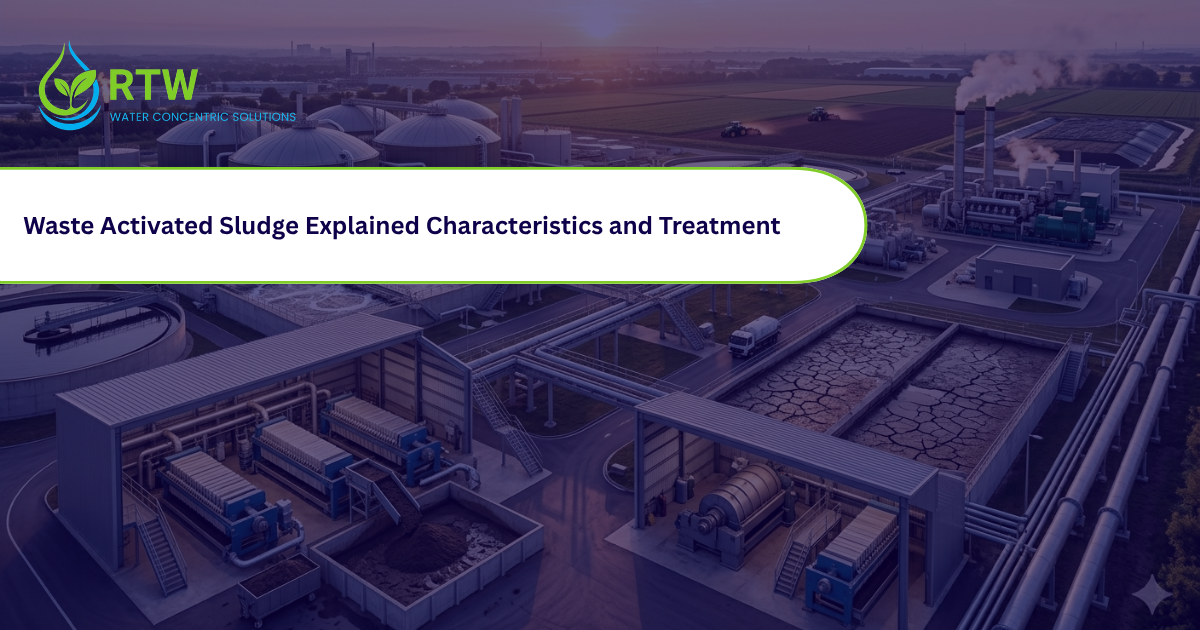
Dewatering removes more water. Equipment like centrifuges and filter presses is used. Sludge becomes cake-like after this step. It is easier to handle and transport.
Final Disposal or Reuse
Treated sludge can go to landfills, incineration, or land application. It is also used as fertilizer in some cases. This depends on local rules and sludge quality.
Emerging Technologies in WAS Treatment
New treatment methods are gaining attention as plants look for better results and lower costs. These technologies aim to improve breakdown efficiency and reduce harmful content. They also support energy recovery. Let’s highlight modern approaches that are shaping how sludge treatment is handled in advanced facilities.
Thermal Hydrolysis
Thermal hydrolysis uses heat and pressure. It breaks down the sludge structure. This improves digestion efficiency. It also boosts biogas production.
Advanced Oxidation
Advanced oxidation uses strong reactions to break down organic matter. It helps reduce harmful compounds. This method is still growing in use but shows promise.
Environmental and Regulatory Considerations
Strict rules guide sludge handling. Authorities set limits for pathogens and metals. Plants must meet these standards. Poor handling can harm soil and water.
Sustainable methods are gaining attention. Resource recovery is a key focus. Sludge is no longer seen as waste alone. It is also a source of energy and nutrients.
Conclusion
Waste-activated sludge is a major part of wastewater treatment. Proper handling reduces risks and cuts costs. Modern methods improve efficiency and support resource recovery. Clear planning helps plants stay compliant and effective.
RT Water delivers smart sludge treatment systems that improve efficiency and reduce waste volume. We support sustainable wastewater operations across industries in the Middle East.
FAQs
What is waste-activated sludge in simple terms?
Waste-activated sludge is excess microorganisms removed from wastewater treatment systems. These microbes grow while cleaning water. Removing them keeps the system balanced and prevents overload.
Why does waste-activated sludge smell bad?
The smell comes from organic matter breaking down. Bacteria release gases during this process. These odors become strong and unpleasant without treatment.
How is sludge volume reduced?
Volume is reduced through thickening and dewatering. These steps remove water. Less water means less space needed for storage and transport.
Can waste-activated sludge be reused?
Yes. Treated sludge can be reused. It may serve as fertilizer or soil conditioner. This depends on its quality and safety standards.
What is the biggest challenge in sludge management?
High water content is a major challenge. It increases cost and handling difficulty. Reducing water early helps improve the whole process.