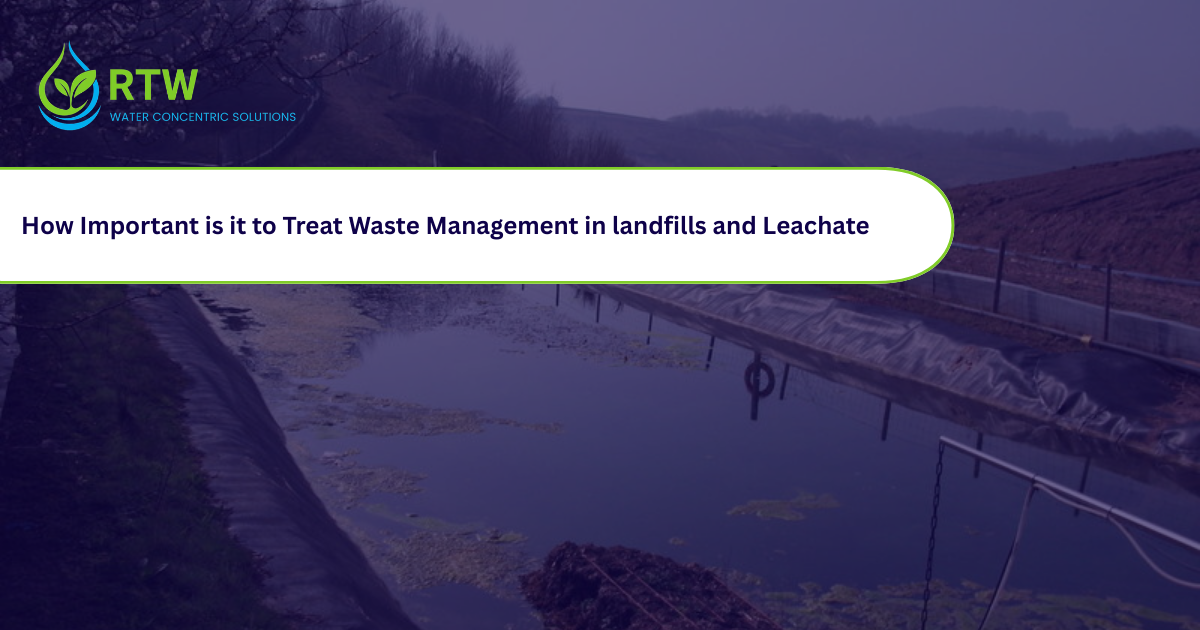
Every landfill produces a dark liquid that many people rarely think about. That liquid is called leachate. It forms when rainwater filters through waste and collects harmful substances along the way. If ignored, it can seep into soil and groundwater. This creates serious environmental and health risks.
Proper treatment of landfill leachate prevents contamination and protects surrounding communities. Modern landfill leachate treatment solutions help manage this dangerous byproduct safely. Without effective control systems, such as a leachate treatment plant, the long-term damage can be severe and costly.
Responsible waste management begins with proper leachate control. That is something we will discuss in this article to provide you with a better idea. Let’s start by getting a better idea of what a leachate in a landfill is.
What is Leachate in Landfill
Leachate is a contaminated liquid formed when water passes through solid waste in a landfill. It absorbs chemicals, heavy metals, and organic pollutants from decomposing garbage. The longer the waste sits, the stronger the contamination becomes. Proper handling through a structured leachate collection system and treatment process is essential to prevent pollution and environmental damage.
Landfills generate different types of leachates depending on waste composition, rainfall, and the age of the site. Understanding its nature helps determine the right leachate treatment system. The strength of pollution often depends on the typical ph of landfill leachate, which can vary widely based on landfill conditions.
Examples of Leachate
Common examples include liquid formed from household waste, industrial refuse, and organic decomposition. Leachate from landfills may contain ammonia, heavy metals, bacteria, and dissolved solids. Each leachate landfill produces a unique mixture. That is why advanced leachate water treatment methods are necessary for safe disposal.
Why Treatment of Waste Management in Landfills and Leachate Is Vital
Ignoring landfill leachate leads to long-term environmental damage and public safety concerns. Proper systems protect groundwater, reduce pollution risks, and ensure landfill operations remain compliant with regulations. Effective treatment of landfill leachate safeguards ecosystems and nearby communities from harmful contamination.
Environmental Protection
Untreated leachate can seep into rivers and underground aquifers. This pollution harms wildlife and plants. A properly designed leachate treatment plant prevents toxic discharge. Safe leachate wastewater treatment reduces ecological damage and preserves natural water sources.
Public Health Safeguard
Contaminated water threatens drinking supplies. Exposure to polluted groundwater can cause illness. Reliable landfill leachate treatment reduces harmful pathogens and chemical contaminants. Protecting public health begins with structured leachate disposal and controlled discharge systems.
Operational Necessity
Landfills must comply with environmental laws. Failure to manage leachate leads to fines and shutdown risks. A well-maintained leachate collection system combined with advanced leachate pumping systems keeps operations smooth and compliant.
Resource Recovery
Modern systems can extract usable water after treatment. Advanced leachate water treatment technologies allow partial recycling for non-potable uses. This reduces overall water demand and supports sustainable landfill management.
Pollution Mitigation
Strong odors and surface contamination create community complaints. Proper treatment of landfill leachate reduces visible pollution and smell issues. Structured leachate treatment system solutions prevent overflow during heavy rainfall.
Methods of Treating Leachate Water
Treating landfill leachate requires a mix of physical, chemical, and biological processes. The method depends on contamination levels and landfill age. Advanced leachate wastewater treatment plants combine multiple techniques to ensure safe discharge. Each approach targets specific pollutants found in leachate from landfills.
Biological Treatment
Biological processes use bacteria to break down organic matter. This method works well when ammonia and organic pollutants are present. Many leachate treatment plant facilities use aeration tanks to support microbial growth.
Membrane Filtration
Membrane systems filter fine particles and dissolved contaminants. This technology improves water clarity and reduces heavy metals. It is widely used in modern leachate treatment system installations.
Chemical Treatment
Chemical dosing helps neutralize harmful substances. It adjusts the typical ph of landfill leachate and removes suspended solids. Chemical processes often support larger treatment of landfill leachate operations.
Evaporation Systems
Some landfills use evaporation to reduce liquid volume. This method concentrates pollutants for easier disposal. It supports controlled leachate disposal practices in remote areas.
Advanced Oxidation
Advanced oxidation destroys persistent organic pollutants. It strengthens overall leachate water treatment performance. Many professional landfill leachate treatment services include this technology for high-strength waste streams.
Conclusion
Effective treatment of landfill leachate protects soil, water, and communities from contamination. Structured landfill leachate treatment systems ensure regulatory compliance and environmental safety. Investing in reliable leachate wastewater treatment technology strengthens responsible landfill management for the long term.
RT Water delivers advanced landfill leachate treatment services with engineered solutions that secure environmental protection, operational compliance, and sustainable waste management performance.
FAQs
What causes leachate formation in landfills?
Leachate forms when rainwater passes through waste and collects dissolved chemicals, organic matter, and heavy metals from decomposing garbage.
Why is leachate dangerous to groundwater?
Leachate contains harmful contaminants that can seep into soil and aquifers, polluting drinking water sources and harming ecosystems.
How is landfill leachate collected?
Engineered liners and drainage layers guide leachate into a leachate collection system, where pumps transfer it to treatment facilities.
Can treated leachate be reused?
In some cases, treated leachate can be reused for controlled industrial purposes after proper purification and quality checks.
What technologies are used in leachate treatment plants?
Common methods include biological treatment, membrane filtration, chemical neutralization, evaporation systems, and advanced oxidation processes.