
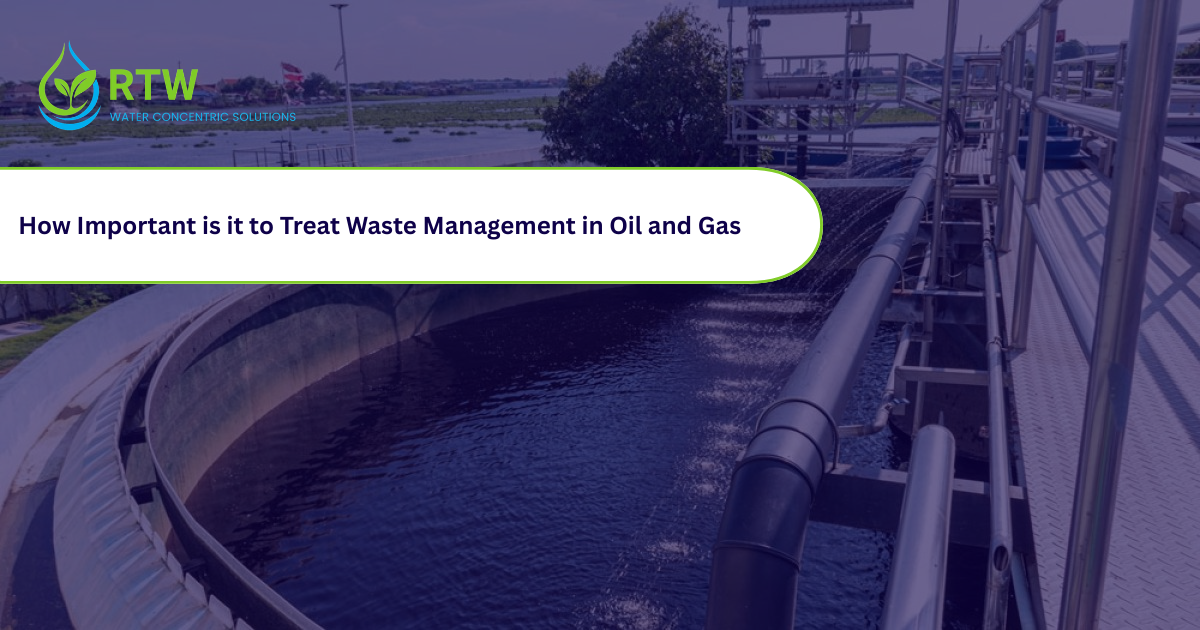
The oil and gas industry keeps the world moving, yet it also produces large volumes of waste every single day. Drilling fluids, oily sludge, used chemicals, and contaminated water often pile up fast. If ignored, these wastes can damage land, pollute water, and threaten human health.
That is why proper oil waste management is no longer optional. It is a responsibility. Companies that treat waste correctly protect the environment, avoid penalties, and keep operations steady. Smart waste handling also builds trust with communities that live near extraction and processing sites.
What is Oil and Gas Waste Management?
Oil and gas waste management refers to the organized handling of waste created during exploration, drilling, production, refining, and transportation. This includes solids, liquids, and gases that carry harmful properties.
Processes focus on safe collection, treatment, recycling, and final disposal. Effective oil and gas waste disposal reduces risks while supporting long-term industry stability and environmental balance.
Importance of Waste Management in the Oil and Gas Sector
Waste from oil and gas operations spreads across land, water, and air if left untreated. Managing this waste correctly keeps operations compliant and communities safe. Each reason below shows why waste treatment stands at the center of responsible energy production.
Environmental Protection
Untreated waste releases toxins into soil and waterways. These pollutants can remain for decades. Proper hydrocarbon waste disposal prevents oil seepage, protects groundwater, and keeps marine life safe. Clean handling reduces long-term environmental scars that are expensive to repair later.
Regulatory Compliance & Risk Management
Environmental laws for oil and gas operations are strict for good reason. Poor waste handling invites fines, shutdowns, and legal action. Strong oil and gas waste services help companies meet regulations while reducing operational risks that can halt production without warning.
Cost Savings and Efficiency
Waste treatment may seem expensive at first glance. In reality, poor handling costs far more over time. Recovered materials can be reused, while proper waste oil management lowers cleanup expenses and limits downtime caused by environmental incidents.
Safety & Health
Oil waste often carries flammable and toxic elements. Workers face daily exposure risks without proper controls. Safe petroleum waste disposal protects employees from injuries, chemical burns, and respiratory problems while maintaining safer work environments across facilities.
Sustainability & Reputation
Communities watch how oil companies behave. Strong waste treatment programs signal responsibility and care. Companies that invest in oil and gas waste disposal earn trust, protect brand value, and show they are serious about long-term environmental responsibility.
Key Steps Involved in Oil and Gas Waste Management
Waste treatment follows clear steps that reduce harm and improve efficiency. Each stage plays a role in keeping waste controlled from start to finish.
Waste Identification
The first step involves recognizing the type and source of waste produced. Different wastes require different treatment paths. Clear identification supports safer oil waste management decisions and prevents mixing hazardous materials with general waste streams.
Segregation and Storage
Waste must be separated at the source to avoid contamination. Proper labeling and storage protect workers and equipment. Controlled storage ensures safer handling before treatment or hydrocarbon waste disposal takes place.
Waste Minimization
Reducing waste volume saves money and effort. Efficient processes and smarter material use lower disposal loads. Strong minimization strategies support cleaner waste oil management and reduce environmental pressure.
Treatment and Recycling
Many oil wastes can be treated or reused. Filtration, thermal processes, and recovery systems extract usable materials. Recycling reduces reliance on new resources while strengthening oil and gas waste services outcomes.
Disposal
Some waste cannot be reused and must be disposed of safely. Approved facilities and strict protocols ensure secure petroleum waste disposal that prevents leaks and contamination.
Monitoring and Reporting
Tracking waste volumes and disposal methods ensures accountability. Regular reporting keeps operations transparent. Monitoring also highlights gaps that weaken oil and gas waste disposal efforts.
Continuous Improvement
Waste strategies should never stay static. Regular reviews improve processes over time. Innovation and staff training strengthen overall oil waste management performance across operations.
Oil and Gas Waste Management and ISO Standards
International standards guide oil and gas companies toward safer waste practices. These frameworks improve consistency and accountability across operations.
ISO 14001
ISO 14001 focuses on environmental management systems. It helps companies control pollution, manage waste streams, and meet legal obligations. This standard strengthens long-term oil and gas waste services planning.
ISO 9001
ISO 9001 supports quality control across processes. Clear documentation and process control improve waste handling reliability. This standard reinforces dependable waste oil management practices across facilities.
ISO 50001
ISO 50001 promotes energy efficiency. Better energy use reduces waste generation. Improved efficiency supports cleaner hydrocarbon waste disposal outcomes while lowering operational costs.
Get RTW to Help Treat Waste Management in the Oil and Gas Industry
Waste management shapes the future of the oil and gas industry. Responsible handling protects people, land, and water while keeping operations compliant and efficient. Companies that invest in structured waste treatment gain trust and long-term stability. RT Water provides dependable solutions that support cleaner operations and responsible industry growth.
We deliver advanced waste treatment support that strengthens environmental performance and operational confidence across oil and gas facilities. RT Water supports oil and gas companies with practical waste treatment solutions that match real operational demands.
From treatment systems to compliance support, RT Water helps reduce risk and improve environmental outcomes. Their expertise ensures waste is handled responsibly while supporting steady operations and regulatory confidence.
FAQs
Why is oil and gas waste considered hazardous?
Oil and gas waste often contains toxic chemicals and flammable materials that can harm ecosystems and human health without controlled handling.
What types of waste are common in oil operations?
Common wastes include drilling mud, oily sludge, produced water, contaminated soil, and chemical residues from processing activities.
How does waste recycling help oil companies?
Recycling recovers usable materials, lowers disposal costs, and reduces environmental damage caused by untreated waste.
Who regulates oil and gas waste disposal?
Government environmental agencies enforce regulations that control storage, treatment, transport, and final disposal of oil industry waste.
Can waste management improve company’s reputation?
Yes, responsible waste handling builds public trust and shows commitment to environmental care and community safety.