Clarification Systems
- Clarification Systems
Clarification Systems by RTW
Clarification forms a critical stage in industrial wastewater treatment, enabling the separation of suspended solids, oils, and flocculated contaminants from conditioned water streams. RTW delivers engineered clarification systems that ensure stable solids removal, protect downstream processes, and support regulatory compliance across diverse industrial applications.
RTW clarification systems are supplied as standalone units or integrated into complete wastewater treatment plants, designed to operate reliably under demanding industrial conditions throughout the Middle East.
Clarification Systems within RTW Treatment Solutions
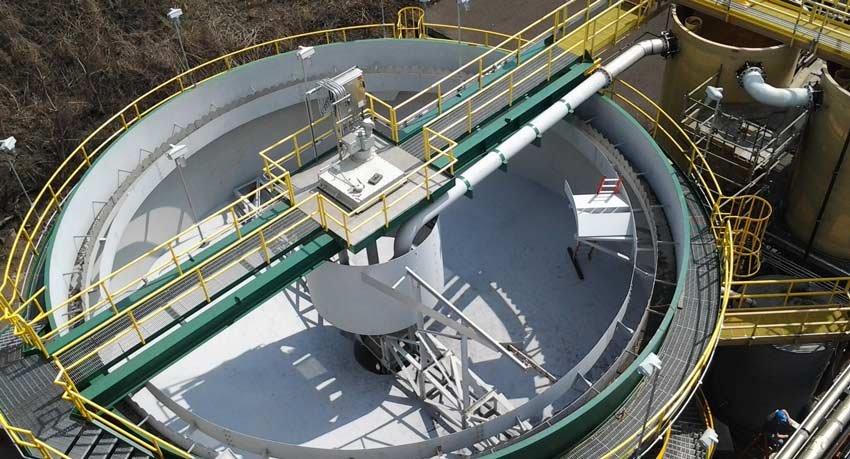
RTW clarification systems are designed to separate solids generated during coagulation, flocculation, or conditioning processes. These systems provide controlled hydraulic environments that allow contaminants to settle or float for removal. The following clarification technologies define RTW’s approach to solids separation and process stabilization.
Primary Clarifiers
RTW primary clarifiers are gravity-based systems designed to separate settleable and floatable solids from wastewater streams. These units provide a controlled environment where heavier solids settle to the bottom while lighter materials rise to the surface for removal.
RTW primary clarifiers are engineered with optimized retention time, sludge collection mechanisms, and surface skimming systems to ensure consistent solids separation. Their design supports reliable operation under variable flow conditions and changing solids loads, making them suitable for industrial wastewater treatment plants requiring stable pre-treatment performance.
Lamella Settlers
Lamella settlers provide enhanced clarification efficiency within a compact footprint. RTW lamella systems incorporate inclined plate assemblies that shorten settling distances, allowing higher solids loading rates without compromising separation performance.
RTW designs lamella settlers for applications where space limitations or high flow rates require efficient solids removal within reduced tank volume. These systems are commonly integrated downstream of coagulation processes to improve clarification efficiency while maintaining hydraulic stability.
Dissolved Air Flotation (DAF)
RTW Dissolved Air Flotation systems are designed to remove low-density solids, oils, and grease that do not readily settle under gravity. DAF units introduce fine air bubbles that attach to flocculated particles, lifting them to the surface for removal.
RTW DAF systems are configured for consistent bubble generation, controlled recycle flow, and effective surface skimming. They are particularly effective for industrial effluents containing emulsified oils or lightweight suspended matter.
Process Stability and Hydraulic Control
Clarification performance depends heavily on hydraulic balance and flow distribution. RTW systems are engineered to maintain consistent flow conditions that support reliable solids separation and prevent short-circuiting or hydraulic disturbances. Here are the considerations that define RTW’s hydraulic design approach.
Flow Distribution Management
RTW clarification systems incorporate inlet structures that evenly distribute influent across the tank or separation zone. Balanced flow prevents localized turbulence and improves solids capture efficiency.
Retention Time Optimization
Each system is designed to provide adequate retention time for settling or flotation based on wastewater characteristics. Proper retention supports consistent separation without excessive tank sizing.
Surface Loading Control
RTW designs systems to operate within defined surface loading rates, ensuring stable separation performance under variable operating conditions.
Sludge and Float Handling Systems
Effective clarification requires efficient removal of separated solids to prevent re-entrainment and maintain treatment performance. RTW integrates sludge and float handling mechanisms tailored to each clarification technology. Below are the elements that define RTW’s solids handling strategy.
Sludge Collection and Removal
Primary clarifiers and lamella settlers are equipped with sludge scraping and withdrawal systems that ensure continuous removal of settled solids. This prevents accumulation and supports stable clarification performance.
Surface Skimming Systems
DAF units and clarifiers include surface skimmers designed to remove floating solids, oils, and scum efficiently. Skimmer speed and geometry are selected to match the solids' characteristics.
Compatibility With Downstream Sludge Treatment
RTW designs clarification systems to produce sludge suitable for thickening, dewatering, or disposal processes already in place within the treatment plant.
Integration Within Complete Treatment Plants
RTW clarification systems are designed to function as part of complete wastewater treatment solutions rather than isolated units. Their placement influences downstream performance, equipment protection, and overall plant reliability. The following integration aspects guide RTW system design.
Conditioning for Advanced Treatment
Clarification reduces suspended solids and organic load prior to membrane systems, oxidation processes, or polishing stages. This improves efficiency and extends equipment service life.
Protection of Mechanical Equipment
By removing solids early, clarification systems reduce abrasion, clogging, and fouling risks for pumps, pipelines, and downstream process units.
Hydraulic Compatibility With Existing Infrastructure
RTW designs systems to align with site-specific hydraulic profiles, minimizing retrofitting complexity and maintaining flow continuity.
Compliance Support and Treatment Objectives
Clarification systems play a central role in achieving discharge and reuse requirements by controlling suspended solids and associated contaminants. RTW systems are designed to support compliance across industrial applications. We have very strict objectives that guide RTW clarification design.
Suspended Solids Reduction
Clarification systems consistently remove settleable and floatable solids, supporting compliance with discharge limits.
Oil and Grease Control
DAF systems provide effective separation of oils and grease that may impact regulatory thresholds or downstream processes.
Support for Regional Environmental Standards
RTW designs systems aligned with environmental regulations commonly applied across Middle East jurisdictions.
RTW Engineering and Delivery Approach
RTW delivers clarification systems as engineered solutions supported by structured project execution. Each system reflects site conditions, wastewater characteristics, and operational expectations. RTW’s delivery methodology is simple and strategic. It comprises the following steps.
Step 1 - Site Assessment and Process Definition
RTW evaluates influent characteristics and treatment objectives to determine the appropriate clarification technology.
Step 2 - Equipment Selection and Layout Planning
System components are selected for durability, accessibility, and compatibility with regional operating conditions.
Step 3 - Commissioning and Performance Verification
RTW commissions systems under real operating conditions to confirm separation performance and operational stability.
Why Choose RTW for Clarification Systems
RTW combines process knowledge, engineering capability, and regional experience to deliver reliable clarification solutions for industrial wastewater treatment. Clients select RTW for consistent execution and long-term performance confidence. Here are some other reasons that make us a preferable choice for companies overall in the region.
- Proven Clarification Expertise: RTW has experience delivering primary clarifiers, lamella settlers, and DAF systems across diverse industrial sectors.
- Integrated Treatment Capability: Clarification systems are designed to align with upstream conditioning and downstream advanced treatment processes.
- Long-Term Operational Focus: RTW prioritizes durability, maintainability, and treatment consistency throughout the system lifecycle.
Contact RTW to discuss clarification systems engineered for stable solids separation, process reliability, and long-term wastewater treatment performance.