
Screening Systems
- Screening Systems
Overview of Screening Systems in Wastewater Treatment
Screening systems form the first line of physical control within wastewater treatment infrastructure. These systems intercept coarse solids, fibrous materials, and floating debris before such matter reaches sensitive downstream equipment. Effective screening protects mechanical components, stabilizes hydraulic performance, and supports consistent treatment outcomes across subsequent process stages.
RTW screening systems are engineered to address variable influent conditions commonly encountered in industrial and municipal wastewater environments. The focus remains on reliability, structural integrity, and long-term operational continuity. Each screening configuration is selected to maintain uninterrupted flow while controlling unwanted solids with predictable separation behavior.
Purpose and Functional Significance
Screening systems serve a critical conditioning role within treatment frameworks. By controlling incoming solids early, they reduce mechanical stress across pumps, pipelines, and treatment reactors. This function improves overall plant availability and reduces unscheduled shutdowns.
The controlled removal of debris also stabilizes downstream chemical and biological processes. Without effective screening, solids accumulation can disrupt flow distribution, interfere with reaction kinetics, and increase maintenance exposure across the facility.
Types of Screening Systems Provided by RTW
RTW offers a range of screening solutions designed to accommodate varying flow rates, solids composition, and installation constraints.
Bar Screening Systems
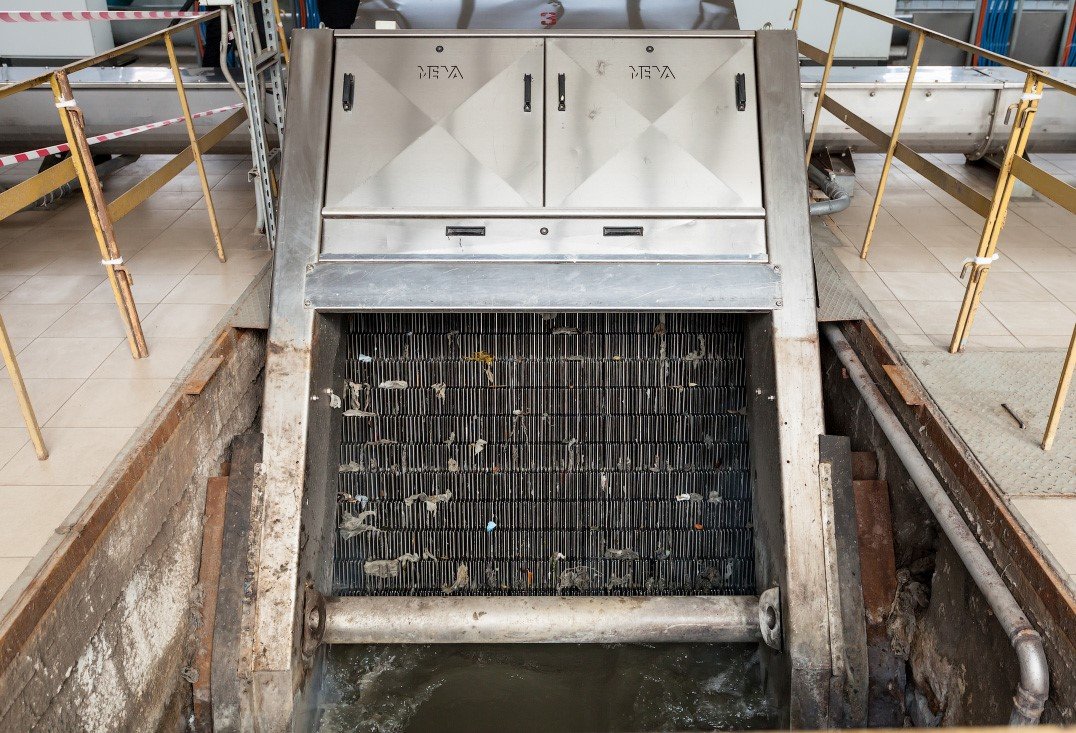
Bar screening systems are configured for coarse solids interception under high hydraulic loads. These units maintain structural strength under continuous operation and variable influent pressure.
Key characteristics include:
- Fixed or mechanically assisted bar assemblies
- Controlled spacing for predictable solids capture
- Structural resistance to debris impact forces
These systems are frequently installed at primary intake points to protect downstream assets from large solid intrusion.
Fine Screening Systems
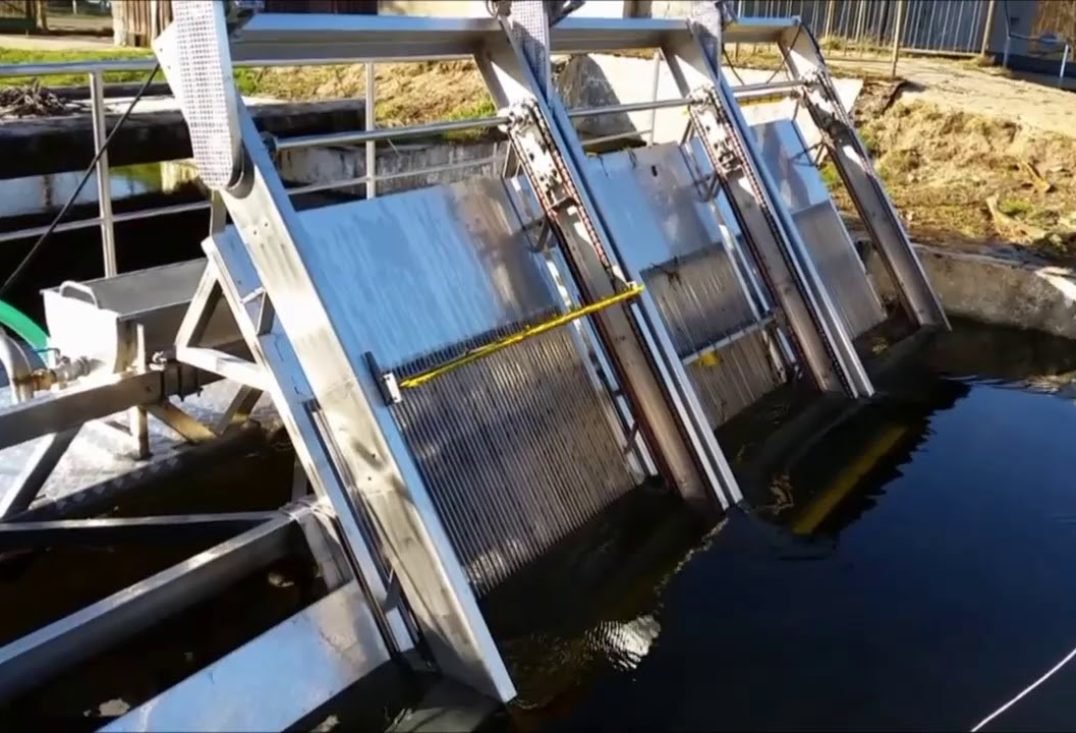
Fine screening systems focus on the removal of smaller suspended solids that bypass coarse interception stages. These systems provide higher separation resolution while maintaining stable flow conditions.
Performance considerations include:
- Consistent aperture geometry
- Controlled headloss behavior
- Compatibility with downstream treatment sensitivity
Fine screening supports improved solids control before advanced treatment stages.
Self-Cleaning Screening Units
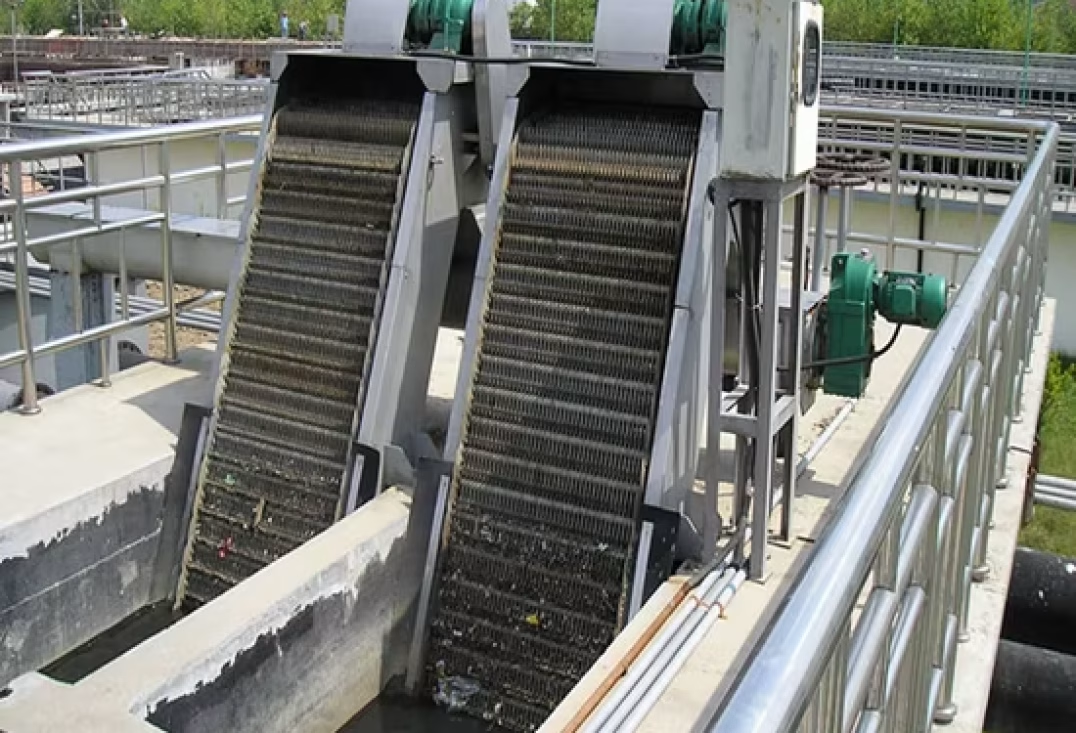
Self-cleaning screens are designed to maintain uninterrupted operation under continuous loading conditions. Automated cleaning mechanisms reduce manual intervention and ensure sustained capture efficiency.
Operational reliability is maintained through:
- Automated debris removal cycles
- Reduced solids accumulation risks
- Stable hydraulic performance
These systems are suited for installations where access limitations restrict frequent maintenance activity.
What Makes Bar Screening So Important
Design and Integration Considerations
Screening systems must align with hydraulic design, solids characteristics, and plant layout constraints. RTW evaluates flow variability, debris composition, and maintenance access during system selection and placement. Proper integration ensures:
- Controlled headloss across screening units
- Uniform flow distribution downstream
- Reduced mechanical wear on connected equipment
Screening infrastructure is designed as an integrated asset rather than an isolated component.
Material Construction and Structural Integrity
RTW screening systems utilize materials selected for corrosion resistance, mechanical durability, and operational longevity. Structural components are engineered to withstand continuous immersion and abrasive exposure.
Material selection supports:
- Long service life under aggressive wastewater conditions
- Reduced structural deformation risks
- Stable performance during peak loading events
This construction approach ensures consistent functionality across extended operational cycles.
Maintenance Strategy and Operational Continuity
Effective screening design reduces maintenance frequency while supporting safe access during required intervention. Systems are configured to minimize manual handling of captured solids and limit operational disruption.
Maintenance-focused design elements include:
- Accessible screening surfaces
- Predictable debris discharge pathways
- Simplified inspection points
These considerations contribute to lower operational risk and improved workforce safety.
Why Choose RTW for Screening Systems
Engineering-Focused Selection Framework
RTW applies detailed influent assessment and hydraulic evaluation during screening system selection. This approach ensures appropriate solids capture without introducing unnecessary flow restriction or mechanical stress.
System Compatibility Assurance
Screening systems are designed to integrate seamlessly with upstream collection networks and downstream treatment processes. This compatibility supports stable plant performance under fluctuating operating conditions.
Durability and Long-Term Reliability
Structural integrity, material resistance, and controlled wear behavior guide RTW screening system design. These factors support predictable service life and reduced replacement exposure.
Support for Process Stability
By maintaining consistent solids control, RTW screening systems protect downstream assets and support steady treatment performance across the entire facility.
Contact RTW to discuss screening system solutions engineered for stable performance, long-term reliability, and effective protection of wastewater treatment infrastructure.